
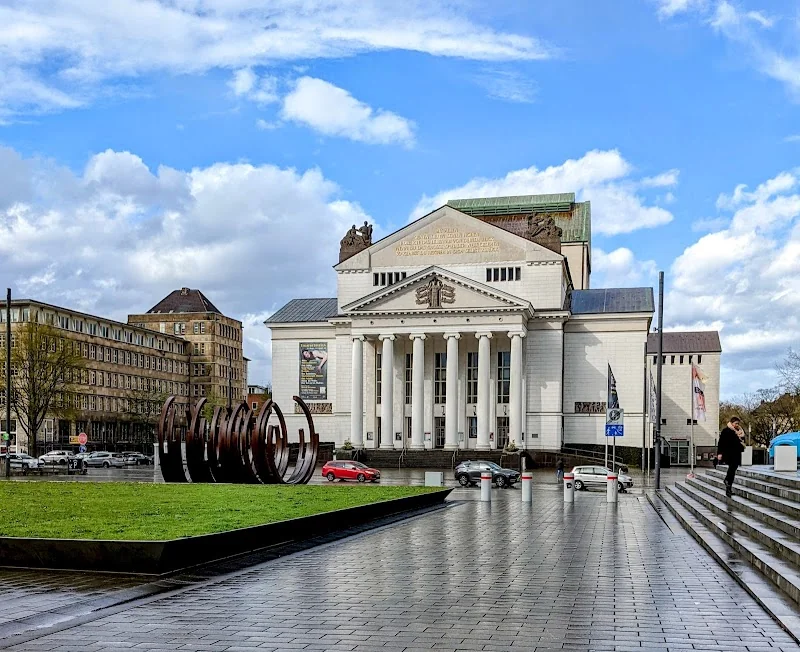
Neckarstraße 1, Duisburg
Neckarstraße 1, 47051 Duisburg, Germany
Theater Duisburg | Program & Tickets 2026
The Theater Duisburg is one of the most distinctive buildings in the city and has shaped the center of Duisburg with its bright neoclassical facade for more than a century. The house is not just a stage, but a cultural hub: Here, opera, ballet, drama, and concerts come together, creating a special charm for visitors looking for programs, tickets, seating plans, or practical information. Today, the theater is home to the Deutsche Oper am Rhein, the Ballett am Rhein, and the Duisburg Philharmonic; at the same time, it is a venue for guest performances, youth formats, and family offerings. Therefore, those interested in culture in Duisburg will find not only a historic building here but also a vibrant multi-genre house with a strong influence throughout the region. Just the view of the facade makes it clear that this house is designed to make an impact: central location, clear form language, representative character, and a long theater tradition that continues to this day. ([theater-duisburg.de](https://www.theater-duisburg.de/ueber-uns/das-theater-duisburg/))
Theater Duisburg Program, Tickets, and Current Performances
Those looking for the Theater Duisburg program will find a very extensive schedule today. For the 2025/26 season, the Duisburg drama announces more than 150 performances, 50 different titles, ten premieres, and 24 revivals. This means that the house is not limited to a single program focus but covers a wide range for different age groups and interests. This is particularly interesting for people searching for theater duisburg today or theater duisburg program today, as the official schedule and calendar on the website show which performances are currently upcoming and which genres are running that day in the Main House, in the Opera Foyer, or in FOYER III. The Theater Duisburg thus sees itself as a flexible cultural address that not only offers classical evening performances but also allows for a quick glance at ongoing dates and remaining tickets. For visitors, this is practical because one can easily orient oneself for both a planned opera evening and a spontaneous theater visit. ([theater-duisburg.de](https://www.theater-duisburg.de/magazin/artikel/neue-spielzeit-202526/))
The ticket purchase process is also clearly structured. Tickets can be purchased online, at the theater box office, and by phone; additionally, the evening box office at Theater Duisburg opens 60 minutes before the performance begins. The box office at Opernplatz is accessible on weekdays and Saturdays, and the webshop offers digital tickets that can be conveniently shown on a smartphone. For many target groups, this is an important advantage, as it allows for both spontaneous cultural evenings and long-term planning. Those searching for theater duisburg tickets or theater duisburg program 2026 should also know that advance sales usually start in spring according to the official website, and tickets are available until the end of the respective season. This is particularly relevant for people planning fixed dates, subscription models, or family tickets. Even if not every production has the same visibility online, the combination of webshop, ticket hotline, and box office remains a real advantage for planning visits. ([theater-duisburg.de](https://www.theater-duisburg.de/karten/?utm_source=openai))
Directions, Parking, and Public Transport at Theater Duisburg
For those searching for theater duisburg parking and theater duisburg opernplatz, the practical visitor information is particularly important. The theater is centrally located in Duisburg; on the official visitor page, the location at Opernplatz is indicated, while the website also mentions Neckarstraße 1, 47051 Duisburg on the homepage. For arrival, it is especially crucial that the house is very well connected to public transport. The admission ticket includes VRR travel authorization for the outward and return journey in the entire VRR area in 2nd class on the day of the performance, which is a significant advantage for many guests. From the König-Heinrich-Platz stop, the U79 as well as tram lines 901 and 903 run; additionally, bus lines serve the Stadttheater stop. The theater is about a ten-minute walk from Duisburg main station. This makes the house suitable for both visitors from Duisburg itself and guests traveling from the region who prefer to come without a car. ([theater-duisburg.de](https://www.theater-duisburg.de/ihr-besuch/theater-duisburg/))
For those arriving by car, the official parking rule should be noted: Parking at Opernplatz is not permitted. Instead, visitor information refers to the König-Heinrich-Platz underground garage and the City Palais underground garage, which are located nearby and offer flat evening or event rates. Additionally, there are two parking spaces for people with disabilities in Moselstraße to the left of the theater. There are also facilities for cyclists, as there are bike racks between the entrance to the König-Heinrich-Platz underground garage and the Liebfrauenkirche. This combination of public transport, parking garages, and bike parking makes Theater Duisburg easily accessible without a large parking area disrupting the historic urban space directly in front of the building. Therefore, the clear message for the search intent theater duisburg parking is important: arrive on time, use parking garages, and ideally approach the theater via public transport or on foot from the main station. ([theater-duisburg.de](https://www.theater-duisburg.de/ihr-besuch/theater-duisburg/))
Seating Plan, Hall Plan, and Seats at Theater Duisburg
When it comes to theater duisburg seating plan and theater duisburg hall plan, it is worth taking a closer look at the different performance venues in the house. The Main House is the central hall of Theater Duisburg and currently offers 1,079 seats. It has two tiers and serves as the stage for opera, ballet, and drama in large format. On the official visitor page, separate hall plans for opera & ballet and for drama are available as PDFs for the Main House. This is important not only for seat selection but also for the question of what sightlines and distances to the stage and orchestra pit can be expected. Those who prefer a quiet overview should check the seating plan in advance, especially if it is a long opera or ballet performance or if sitting with several people. This way, the search for seating plan and hall plan quickly becomes a real planning advantage that makes the evening more relaxed. ([theater-duisburg.de](https://www.theater-duisburg.de/ueber-uns/das-theater-duisburg/))
In addition to the Main House, the Opera Foyer and FOYER III are also important venues at Theater Duisburg. The Opera Foyer is designed in the style of the 1950s, offers space for up to 200 spectators, and is used for profile concerts, productions in the Opera Foyer, song evenings, as well as children's and family concerts. In the Opera Foyer and FOYER III, free seating is generally available, which makes the atmosphere more personal and immediate. FOYER III is located under the roof of the theater, is 93 steps away from the box office, and has 99 seats; here, extraordinary theater productions and formats from the youth club Spieltrieb are shown, and there are also performances for children during the pre-Christmas season. So, for those who are not only focused on the large rows in the stalls but are also looking for intimate performance venues, Theater Duisburg offers very different spatial effects. Especially for families, young theater fans, or visitors who appreciate a special closeness to the stage, this variety is a real added value. ([theater-duisburg.de](https://www.theater-duisburg.de/ihr-besuch/theater-duisburg/))
History, Architecture, and Capacity of Theater Duisburg
The history of Theater Duisburg is closely linked to the city's development and cultural identity. The house was designed by Prof. Martin Dülfer and opened in 1912. The architecture follows a neoclassical style and makes a consciously representative statement in the urban space with its radiant white facade, six Ionic columns, and triangular pediment. On the pediment, there is a quote from Friedrich Schiller's Tribute to the Arts, which aptly describes the aesthetic stance of the house to this day. After the heavy destruction in 1942, shortly after a Tannhäuser performance, the theater was rebuilt starting in 1946 and reopened in 1950. In 1970, a redesign took place, during which the large hall received its current form with two tiers. These historical milestones explain why the house has such a strong classical theater architecture feel while functioning in the present. For search queries like theater duisburg today or theater duisburg program 2025, this is important because the historical substance remains part of the visitor experience to this day. ([theater-duisburg.de](https://www.theater-duisburg.de/ueber-uns/das-theater-duisburg/))
The architecture is also closely linked to the capacity of the house. The Main House currently offers 1,079 seats, forming the large stage for opera, ballet, and drama. The Opera Foyer complements the offering with up to 200 seats, and FOYER III has 99 seats. Together, this creates a house that can accommodate very different audience forms depending on the production: from the classical large cast to smaller, experimental, or educational productions. Additionally, Theater Duisburg is not only a venue but also a kind of cultural hub for several institutions. The Deutsche Oper am Rhein, founded in 1956 as a theater community of Duisburg and Düsseldorf, uses the house just like the Ballett am Rhein and the Duisburg Philharmonic, whose orchestra pit is traditionally a second home in the theater. Exactly this combination of building history, genre diversity, and regional significance makes Theater Duisburg one of the most important cultural addresses in the city. ([theater-duisburg.de](https://www.theater-duisburg.de/ueber-uns/das-theater-duisburg/))
Ballet, Children's Programs, and Young Formats at Theater Duisburg
The search queries theater duisburg ballet and theater duisburg children clearly show that the house is interesting not only for classical opera lovers. Theater Duisburg is firmly connected to the Ballett am Rhein, and the official website refers to many productions with special formats aimed at families, children, and young people. In the Young section for 2025/26, for example, there are klasse.klassik mini, klasse.klassik junior, klasse.klassik goes green, klasse.klassik invites, class offers for 4teens, Spieltrieb, and other young formats. Additionally, there are productions with age ratings such as from 3 years, from 6 years, from 7 years, from 12 years, or from 14 years. For families, this means: The theater is not a place that only works from a certain age, but a house that actively thinks about young audiences. Particularly helpful is that the website not only lists play titles but also performance venues like Opera Foyer, FOYER III, Main House, or external learning locations. This makes it easy to see which offerings are suitable for a family outing, a school trip, or a first theater visit. ([theater-duisburg.de](https://www.theater-duisburg.de/jung/))
Another advantage is the combination of educational and artistic formats. Family and children's concerts regularly take place in the Opera Foyer, and FOYER III is used for children's performances during the pre-Christmas season. Additionally, the youth drama club Spieltrieb develops its own productions in FOYER III, as well as the Young Opera at the Rhine and the Children's Choir at the Rhine. This variety makes it clear that Theater Duisburg is not just a classic repertoire house but also a place for talent, experimentation, and participation. Therefore, those searching for child- or family-friendly events should not only open the main schedule but also specifically browse in the Young section. There, one finds formats that combine music, movement, drama, and playful mediation. This is exactly where the added value for families arises: The theater offers not just entertainment but a low-threshold access to culture that is adaptable for various age groups. ([theater-duisburg.de](https://www.theater-duisburg.de/jung/))
Accessibility, Service, and Visitor Comfort at Theater Duisburg
As a historic building, Theater Duisburg is naturally limited in its accessibility, and the official website explains this very openly. The entrance foyer is accessible without steps via wide ramps on the left and right of the portal; however, there is currently no elevator in the house. For wheelchair users, access to the stalls is possible via a stair lift, and there are two wheelchair spaces in the stalls of the Main Hall in rows 3 and 12; if needed, three additional spaces can be set up. An accessible toilet is located in the entrance foyer on the left. Additionally, infrared hearing aids can be borrowed at the program booklet and information desk, and for selected performances, opera and ballet at the Rhine offer audio description. This information is particularly important for visitors who want to inform themselves in advance about actual access and do not want to experience surprises on the day of the event. ([theater-duisburg.de](https://www.theater-duisburg.de/ihr-besuch/theater-duisburg/))
The house's service also includes practical details that make the theater visit more pleasant. The cloakroom is free, and the hall doors open at least ten minutes before the performance begins. Many events are also accompanied by an introduction that takes place 30 minutes before the start in the Opera Foyer. For those who would like to have something to drink or eat before the performance or during the intermission, there are counters in the box office hall and in the Opera Foyer; the catering offer ranges from drinks to snacks to small plates of food, with payment made on-site in cash. There are parking spaces for bicycles, and taxis are provided after performances. Therefore, those who want to plan the evening relaxed benefit from a house that, despite its historic structure, offers clear visitor service. Thus, the search for theater duisburg parking, seating plan, or tickets ultimately results in a complete visit plan: arrive, orient, find a seat, and enjoy the program in peace. ([theater-duisburg.de](https://www.theater-duisburg.de/ihr-besuch/theater-duisburg/))
Sources:
Show moreShow less
Theater Duisburg | Program & Tickets 2026
The Theater Duisburg is one of the most distinctive buildings in the city and has shaped the center of Duisburg with its bright neoclassical facade for more than a century. The house is not just a stage, but a cultural hub: Here, opera, ballet, drama, and concerts come together, creating a special charm for visitors looking for programs, tickets, seating plans, or practical information. Today, the theater is home to the Deutsche Oper am Rhein, the Ballett am Rhein, and the Duisburg Philharmonic; at the same time, it is a venue for guest performances, youth formats, and family offerings. Therefore, those interested in culture in Duisburg will find not only a historic building here but also a vibrant multi-genre house with a strong influence throughout the region. Just the view of the facade makes it clear that this house is designed to make an impact: central location, clear form language, representative character, and a long theater tradition that continues to this day. ([theater-duisburg.de](https://www.theater-duisburg.de/ueber-uns/das-theater-duisburg/))
Theater Duisburg Program, Tickets, and Current Performances
Those looking for the Theater Duisburg program will find a very extensive schedule today. For the 2025/26 season, the Duisburg drama announces more than 150 performances, 50 different titles, ten premieres, and 24 revivals. This means that the house is not limited to a single program focus but covers a wide range for different age groups and interests. This is particularly interesting for people searching for theater duisburg today or theater duisburg program today, as the official schedule and calendar on the website show which performances are currently upcoming and which genres are running that day in the Main House, in the Opera Foyer, or in FOYER III. The Theater Duisburg thus sees itself as a flexible cultural address that not only offers classical evening performances but also allows for a quick glance at ongoing dates and remaining tickets. For visitors, this is practical because one can easily orient oneself for both a planned opera evening and a spontaneous theater visit. ([theater-duisburg.de](https://www.theater-duisburg.de/magazin/artikel/neue-spielzeit-202526/))
The ticket purchase process is also clearly structured. Tickets can be purchased online, at the theater box office, and by phone; additionally, the evening box office at Theater Duisburg opens 60 minutes before the performance begins. The box office at Opernplatz is accessible on weekdays and Saturdays, and the webshop offers digital tickets that can be conveniently shown on a smartphone. For many target groups, this is an important advantage, as it allows for both spontaneous cultural evenings and long-term planning. Those searching for theater duisburg tickets or theater duisburg program 2026 should also know that advance sales usually start in spring according to the official website, and tickets are available until the end of the respective season. This is particularly relevant for people planning fixed dates, subscription models, or family tickets. Even if not every production has the same visibility online, the combination of webshop, ticket hotline, and box office remains a real advantage for planning visits. ([theater-duisburg.de](https://www.theater-duisburg.de/karten/?utm_source=openai))
Directions, Parking, and Public Transport at Theater Duisburg
For those searching for theater duisburg parking and theater duisburg opernplatz, the practical visitor information is particularly important. The theater is centrally located in Duisburg; on the official visitor page, the location at Opernplatz is indicated, while the website also mentions Neckarstraße 1, 47051 Duisburg on the homepage. For arrival, it is especially crucial that the house is very well connected to public transport. The admission ticket includes VRR travel authorization for the outward and return journey in the entire VRR area in 2nd class on the day of the performance, which is a significant advantage for many guests. From the König-Heinrich-Platz stop, the U79 as well as tram lines 901 and 903 run; additionally, bus lines serve the Stadttheater stop. The theater is about a ten-minute walk from Duisburg main station. This makes the house suitable for both visitors from Duisburg itself and guests traveling from the region who prefer to come without a car. ([theater-duisburg.de](https://www.theater-duisburg.de/ihr-besuch/theater-duisburg/))
For those arriving by car, the official parking rule should be noted: Parking at Opernplatz is not permitted. Instead, visitor information refers to the König-Heinrich-Platz underground garage and the City Palais underground garage, which are located nearby and offer flat evening or event rates. Additionally, there are two parking spaces for people with disabilities in Moselstraße to the left of the theater. There are also facilities for cyclists, as there are bike racks between the entrance to the König-Heinrich-Platz underground garage and the Liebfrauenkirche. This combination of public transport, parking garages, and bike parking makes Theater Duisburg easily accessible without a large parking area disrupting the historic urban space directly in front of the building. Therefore, the clear message for the search intent theater duisburg parking is important: arrive on time, use parking garages, and ideally approach the theater via public transport or on foot from the main station. ([theater-duisburg.de](https://www.theater-duisburg.de/ihr-besuch/theater-duisburg/))
Seating Plan, Hall Plan, and Seats at Theater Duisburg
When it comes to theater duisburg seating plan and theater duisburg hall plan, it is worth taking a closer look at the different performance venues in the house. The Main House is the central hall of Theater Duisburg and currently offers 1,079 seats. It has two tiers and serves as the stage for opera, ballet, and drama in large format. On the official visitor page, separate hall plans for opera & ballet and for drama are available as PDFs for the Main House. This is important not only for seat selection but also for the question of what sightlines and distances to the stage and orchestra pit can be expected. Those who prefer a quiet overview should check the seating plan in advance, especially if it is a long opera or ballet performance or if sitting with several people. This way, the search for seating plan and hall plan quickly becomes a real planning advantage that makes the evening more relaxed. ([theater-duisburg.de](https://www.theater-duisburg.de/ueber-uns/das-theater-duisburg/))
In addition to the Main House, the Opera Foyer and FOYER III are also important venues at Theater Duisburg. The Opera Foyer is designed in the style of the 1950s, offers space for up to 200 spectators, and is used for profile concerts, productions in the Opera Foyer, song evenings, as well as children's and family concerts. In the Opera Foyer and FOYER III, free seating is generally available, which makes the atmosphere more personal and immediate. FOYER III is located under the roof of the theater, is 93 steps away from the box office, and has 99 seats; here, extraordinary theater productions and formats from the youth club Spieltrieb are shown, and there are also performances for children during the pre-Christmas season. So, for those who are not only focused on the large rows in the stalls but are also looking for intimate performance venues, Theater Duisburg offers very different spatial effects. Especially for families, young theater fans, or visitors who appreciate a special closeness to the stage, this variety is a real added value. ([theater-duisburg.de](https://www.theater-duisburg.de/ihr-besuch/theater-duisburg/))
History, Architecture, and Capacity of Theater Duisburg
The history of Theater Duisburg is closely linked to the city's development and cultural identity. The house was designed by Prof. Martin Dülfer and opened in 1912. The architecture follows a neoclassical style and makes a consciously representative statement in the urban space with its radiant white facade, six Ionic columns, and triangular pediment. On the pediment, there is a quote from Friedrich Schiller's Tribute to the Arts, which aptly describes the aesthetic stance of the house to this day. After the heavy destruction in 1942, shortly after a Tannhäuser performance, the theater was rebuilt starting in 1946 and reopened in 1950. In 1970, a redesign took place, during which the large hall received its current form with two tiers. These historical milestones explain why the house has such a strong classical theater architecture feel while functioning in the present. For search queries like theater duisburg today or theater duisburg program 2025, this is important because the historical substance remains part of the visitor experience to this day. ([theater-duisburg.de](https://www.theater-duisburg.de/ueber-uns/das-theater-duisburg/))
The architecture is also closely linked to the capacity of the house. The Main House currently offers 1,079 seats, forming the large stage for opera, ballet, and drama. The Opera Foyer complements the offering with up to 200 seats, and FOYER III has 99 seats. Together, this creates a house that can accommodate very different audience forms depending on the production: from the classical large cast to smaller, experimental, or educational productions. Additionally, Theater Duisburg is not only a venue but also a kind of cultural hub for several institutions. The Deutsche Oper am Rhein, founded in 1956 as a theater community of Duisburg and Düsseldorf, uses the house just like the Ballett am Rhein and the Duisburg Philharmonic, whose orchestra pit is traditionally a second home in the theater. Exactly this combination of building history, genre diversity, and regional significance makes Theater Duisburg one of the most important cultural addresses in the city. ([theater-duisburg.de](https://www.theater-duisburg.de/ueber-uns/das-theater-duisburg/))
Ballet, Children's Programs, and Young Formats at Theater Duisburg
The search queries theater duisburg ballet and theater duisburg children clearly show that the house is interesting not only for classical opera lovers. Theater Duisburg is firmly connected to the Ballett am Rhein, and the official website refers to many productions with special formats aimed at families, children, and young people. In the Young section for 2025/26, for example, there are klasse.klassik mini, klasse.klassik junior, klasse.klassik goes green, klasse.klassik invites, class offers for 4teens, Spieltrieb, and other young formats. Additionally, there are productions with age ratings such as from 3 years, from 6 years, from 7 years, from 12 years, or from 14 years. For families, this means: The theater is not a place that only works from a certain age, but a house that actively thinks about young audiences. Particularly helpful is that the website not only lists play titles but also performance venues like Opera Foyer, FOYER III, Main House, or external learning locations. This makes it easy to see which offerings are suitable for a family outing, a school trip, or a first theater visit. ([theater-duisburg.de](https://www.theater-duisburg.de/jung/))
Another advantage is the combination of educational and artistic formats. Family and children's concerts regularly take place in the Opera Foyer, and FOYER III is used for children's performances during the pre-Christmas season. Additionally, the youth drama club Spieltrieb develops its own productions in FOYER III, as well as the Young Opera at the Rhine and the Children's Choir at the Rhine. This variety makes it clear that Theater Duisburg is not just a classic repertoire house but also a place for talent, experimentation, and participation. Therefore, those searching for child- or family-friendly events should not only open the main schedule but also specifically browse in the Young section. There, one finds formats that combine music, movement, drama, and playful mediation. This is exactly where the added value for families arises: The theater offers not just entertainment but a low-threshold access to culture that is adaptable for various age groups. ([theater-duisburg.de](https://www.theater-duisburg.de/jung/))
Accessibility, Service, and Visitor Comfort at Theater Duisburg
As a historic building, Theater Duisburg is naturally limited in its accessibility, and the official website explains this very openly. The entrance foyer is accessible without steps via wide ramps on the left and right of the portal; however, there is currently no elevator in the house. For wheelchair users, access to the stalls is possible via a stair lift, and there are two wheelchair spaces in the stalls of the Main Hall in rows 3 and 12; if needed, three additional spaces can be set up. An accessible toilet is located in the entrance foyer on the left. Additionally, infrared hearing aids can be borrowed at the program booklet and information desk, and for selected performances, opera and ballet at the Rhine offer audio description. This information is particularly important for visitors who want to inform themselves in advance about actual access and do not want to experience surprises on the day of the event. ([theater-duisburg.de](https://www.theater-duisburg.de/ihr-besuch/theater-duisburg/))
The house's service also includes practical details that make the theater visit more pleasant. The cloakroom is free, and the hall doors open at least ten minutes before the performance begins. Many events are also accompanied by an introduction that takes place 30 minutes before the start in the Opera Foyer. For those who would like to have something to drink or eat before the performance or during the intermission, there are counters in the box office hall and in the Opera Foyer; the catering offer ranges from drinks to snacks to small plates of food, with payment made on-site in cash. There are parking spaces for bicycles, and taxis are provided after performances. Therefore, those who want to plan the evening relaxed benefit from a house that, despite its historic structure, offers clear visitor service. Thus, the search for theater duisburg parking, seating plan, or tickets ultimately results in a complete visit plan: arrive, orient, find a seat, and enjoy the program in peace. ([theater-duisburg.de](https://www.theater-duisburg.de/ihr-besuch/theater-duisburg/))
Sources:
Theater Duisburg | Program & Tickets 2026
The Theater Duisburg is one of the most distinctive buildings in the city and has shaped the center of Duisburg with its bright neoclassical facade for more than a century. The house is not just a stage, but a cultural hub: Here, opera, ballet, drama, and concerts come together, creating a special charm for visitors looking for programs, tickets, seating plans, or practical information. Today, the theater is home to the Deutsche Oper am Rhein, the Ballett am Rhein, and the Duisburg Philharmonic; at the same time, it is a venue for guest performances, youth formats, and family offerings. Therefore, those interested in culture in Duisburg will find not only a historic building here but also a vibrant multi-genre house with a strong influence throughout the region. Just the view of the facade makes it clear that this house is designed to make an impact: central location, clear form language, representative character, and a long theater tradition that continues to this day. ([theater-duisburg.de](https://www.theater-duisburg.de/ueber-uns/das-theater-duisburg/))
Theater Duisburg Program, Tickets, and Current Performances
Those looking for the Theater Duisburg program will find a very extensive schedule today. For the 2025/26 season, the Duisburg drama announces more than 150 performances, 50 different titles, ten premieres, and 24 revivals. This means that the house is not limited to a single program focus but covers a wide range for different age groups and interests. This is particularly interesting for people searching for theater duisburg today or theater duisburg program today, as the official schedule and calendar on the website show which performances are currently upcoming and which genres are running that day in the Main House, in the Opera Foyer, or in FOYER III. The Theater Duisburg thus sees itself as a flexible cultural address that not only offers classical evening performances but also allows for a quick glance at ongoing dates and remaining tickets. For visitors, this is practical because one can easily orient oneself for both a planned opera evening and a spontaneous theater visit. ([theater-duisburg.de](https://www.theater-duisburg.de/magazin/artikel/neue-spielzeit-202526/))
The ticket purchase process is also clearly structured. Tickets can be purchased online, at the theater box office, and by phone; additionally, the evening box office at Theater Duisburg opens 60 minutes before the performance begins. The box office at Opernplatz is accessible on weekdays and Saturdays, and the webshop offers digital tickets that can be conveniently shown on a smartphone. For many target groups, this is an important advantage, as it allows for both spontaneous cultural evenings and long-term planning. Those searching for theater duisburg tickets or theater duisburg program 2026 should also know that advance sales usually start in spring according to the official website, and tickets are available until the end of the respective season. This is particularly relevant for people planning fixed dates, subscription models, or family tickets. Even if not every production has the same visibility online, the combination of webshop, ticket hotline, and box office remains a real advantage for planning visits. ([theater-duisburg.de](https://www.theater-duisburg.de/karten/?utm_source=openai))
Directions, Parking, and Public Transport at Theater Duisburg
For those searching for theater duisburg parking and theater duisburg opernplatz, the practical visitor information is particularly important. The theater is centrally located in Duisburg; on the official visitor page, the location at Opernplatz is indicated, while the website also mentions Neckarstraße 1, 47051 Duisburg on the homepage. For arrival, it is especially crucial that the house is very well connected to public transport. The admission ticket includes VRR travel authorization for the outward and return journey in the entire VRR area in 2nd class on the day of the performance, which is a significant advantage for many guests. From the König-Heinrich-Platz stop, the U79 as well as tram lines 901 and 903 run; additionally, bus lines serve the Stadttheater stop. The theater is about a ten-minute walk from Duisburg main station. This makes the house suitable for both visitors from Duisburg itself and guests traveling from the region who prefer to come without a car. ([theater-duisburg.de](https://www.theater-duisburg.de/ihr-besuch/theater-duisburg/))
For those arriving by car, the official parking rule should be noted: Parking at Opernplatz is not permitted. Instead, visitor information refers to the König-Heinrich-Platz underground garage and the City Palais underground garage, which are located nearby and offer flat evening or event rates. Additionally, there are two parking spaces for people with disabilities in Moselstraße to the left of the theater. There are also facilities for cyclists, as there are bike racks between the entrance to the König-Heinrich-Platz underground garage and the Liebfrauenkirche. This combination of public transport, parking garages, and bike parking makes Theater Duisburg easily accessible without a large parking area disrupting the historic urban space directly in front of the building. Therefore, the clear message for the search intent theater duisburg parking is important: arrive on time, use parking garages, and ideally approach the theater via public transport or on foot from the main station. ([theater-duisburg.de](https://www.theater-duisburg.de/ihr-besuch/theater-duisburg/))
Seating Plan, Hall Plan, and Seats at Theater Duisburg
When it comes to theater duisburg seating plan and theater duisburg hall plan, it is worth taking a closer look at the different performance venues in the house. The Main House is the central hall of Theater Duisburg and currently offers 1,079 seats. It has two tiers and serves as the stage for opera, ballet, and drama in large format. On the official visitor page, separate hall plans for opera & ballet and for drama are available as PDFs for the Main House. This is important not only for seat selection but also for the question of what sightlines and distances to the stage and orchestra pit can be expected. Those who prefer a quiet overview should check the seating plan in advance, especially if it is a long opera or ballet performance or if sitting with several people. This way, the search for seating plan and hall plan quickly becomes a real planning advantage that makes the evening more relaxed. ([theater-duisburg.de](https://www.theater-duisburg.de/ueber-uns/das-theater-duisburg/))
In addition to the Main House, the Opera Foyer and FOYER III are also important venues at Theater Duisburg. The Opera Foyer is designed in the style of the 1950s, offers space for up to 200 spectators, and is used for profile concerts, productions in the Opera Foyer, song evenings, as well as children's and family concerts. In the Opera Foyer and FOYER III, free seating is generally available, which makes the atmosphere more personal and immediate. FOYER III is located under the roof of the theater, is 93 steps away from the box office, and has 99 seats; here, extraordinary theater productions and formats from the youth club Spieltrieb are shown, and there are also performances for children during the pre-Christmas season. So, for those who are not only focused on the large rows in the stalls but are also looking for intimate performance venues, Theater Duisburg offers very different spatial effects. Especially for families, young theater fans, or visitors who appreciate a special closeness to the stage, this variety is a real added value. ([theater-duisburg.de](https://www.theater-duisburg.de/ihr-besuch/theater-duisburg/))
History, Architecture, and Capacity of Theater Duisburg
The history of Theater Duisburg is closely linked to the city's development and cultural identity. The house was designed by Prof. Martin Dülfer and opened in 1912. The architecture follows a neoclassical style and makes a consciously representative statement in the urban space with its radiant white facade, six Ionic columns, and triangular pediment. On the pediment, there is a quote from Friedrich Schiller's Tribute to the Arts, which aptly describes the aesthetic stance of the house to this day. After the heavy destruction in 1942, shortly after a Tannhäuser performance, the theater was rebuilt starting in 1946 and reopened in 1950. In 1970, a redesign took place, during which the large hall received its current form with two tiers. These historical milestones explain why the house has such a strong classical theater architecture feel while functioning in the present. For search queries like theater duisburg today or theater duisburg program 2025, this is important because the historical substance remains part of the visitor experience to this day. ([theater-duisburg.de](https://www.theater-duisburg.de/ueber-uns/das-theater-duisburg/))
The architecture is also closely linked to the capacity of the house. The Main House currently offers 1,079 seats, forming the large stage for opera, ballet, and drama. The Opera Foyer complements the offering with up to 200 seats, and FOYER III has 99 seats. Together, this creates a house that can accommodate very different audience forms depending on the production: from the classical large cast to smaller, experimental, or educational productions. Additionally, Theater Duisburg is not only a venue but also a kind of cultural hub for several institutions. The Deutsche Oper am Rhein, founded in 1956 as a theater community of Duisburg and Düsseldorf, uses the house just like the Ballett am Rhein and the Duisburg Philharmonic, whose orchestra pit is traditionally a second home in the theater. Exactly this combination of building history, genre diversity, and regional significance makes Theater Duisburg one of the most important cultural addresses in the city. ([theater-duisburg.de](https://www.theater-duisburg.de/ueber-uns/das-theater-duisburg/))
Ballet, Children's Programs, and Young Formats at Theater Duisburg
The search queries theater duisburg ballet and theater duisburg children clearly show that the house is interesting not only for classical opera lovers. Theater Duisburg is firmly connected to the Ballett am Rhein, and the official website refers to many productions with special formats aimed at families, children, and young people. In the Young section for 2025/26, for example, there are klasse.klassik mini, klasse.klassik junior, klasse.klassik goes green, klasse.klassik invites, class offers for 4teens, Spieltrieb, and other young formats. Additionally, there are productions with age ratings such as from 3 years, from 6 years, from 7 years, from 12 years, or from 14 years. For families, this means: The theater is not a place that only works from a certain age, but a house that actively thinks about young audiences. Particularly helpful is that the website not only lists play titles but also performance venues like Opera Foyer, FOYER III, Main House, or external learning locations. This makes it easy to see which offerings are suitable for a family outing, a school trip, or a first theater visit. ([theater-duisburg.de](https://www.theater-duisburg.de/jung/))
Another advantage is the combination of educational and artistic formats. Family and children's concerts regularly take place in the Opera Foyer, and FOYER III is used for children's performances during the pre-Christmas season. Additionally, the youth drama club Spieltrieb develops its own productions in FOYER III, as well as the Young Opera at the Rhine and the Children's Choir at the Rhine. This variety makes it clear that Theater Duisburg is not just a classic repertoire house but also a place for talent, experimentation, and participation. Therefore, those searching for child- or family-friendly events should not only open the main schedule but also specifically browse in the Young section. There, one finds formats that combine music, movement, drama, and playful mediation. This is exactly where the added value for families arises: The theater offers not just entertainment but a low-threshold access to culture that is adaptable for various age groups. ([theater-duisburg.de](https://www.theater-duisburg.de/jung/))
Accessibility, Service, and Visitor Comfort at Theater Duisburg
As a historic building, Theater Duisburg is naturally limited in its accessibility, and the official website explains this very openly. The entrance foyer is accessible without steps via wide ramps on the left and right of the portal; however, there is currently no elevator in the house. For wheelchair users, access to the stalls is possible via a stair lift, and there are two wheelchair spaces in the stalls of the Main Hall in rows 3 and 12; if needed, three additional spaces can be set up. An accessible toilet is located in the entrance foyer on the left. Additionally, infrared hearing aids can be borrowed at the program booklet and information desk, and for selected performances, opera and ballet at the Rhine offer audio description. This information is particularly important for visitors who want to inform themselves in advance about actual access and do not want to experience surprises on the day of the event. ([theater-duisburg.de](https://www.theater-duisburg.de/ihr-besuch/theater-duisburg/))
The house's service also includes practical details that make the theater visit more pleasant. The cloakroom is free, and the hall doors open at least ten minutes before the performance begins. Many events are also accompanied by an introduction that takes place 30 minutes before the start in the Opera Foyer. For those who would like to have something to drink or eat before the performance or during the intermission, there are counters in the box office hall and in the Opera Foyer; the catering offer ranges from drinks to snacks to small plates of food, with payment made on-site in cash. There are parking spaces for bicycles, and taxis are provided after performances. Therefore, those who want to plan the evening relaxed benefit from a house that, despite its historic structure, offers clear visitor service. Thus, the search for theater duisburg parking, seating plan, or tickets ultimately results in a complete visit plan: arrive, orient, find a seat, and enjoy the program in peace. ([theater-duisburg.de](https://www.theater-duisburg.de/ihr-besuch/theater-duisburg/))
Sources:
Upcoming Events
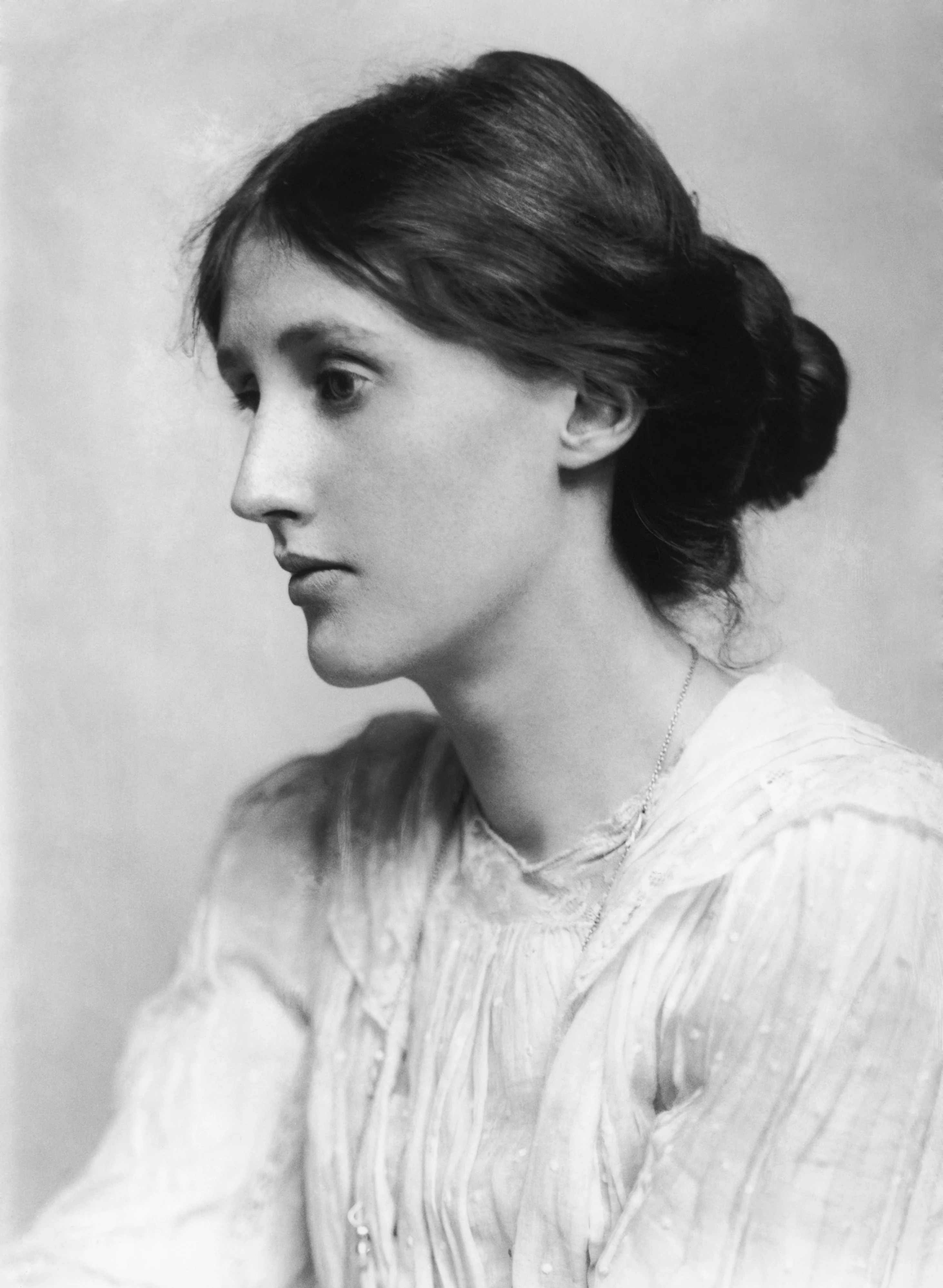
A Room of One's Own
Virginia Woolf's classic at Theater Duisburg: concentrated, clever, and close to the present. On 11.05.2026 at 7:30 PM for 12 €. #Literature
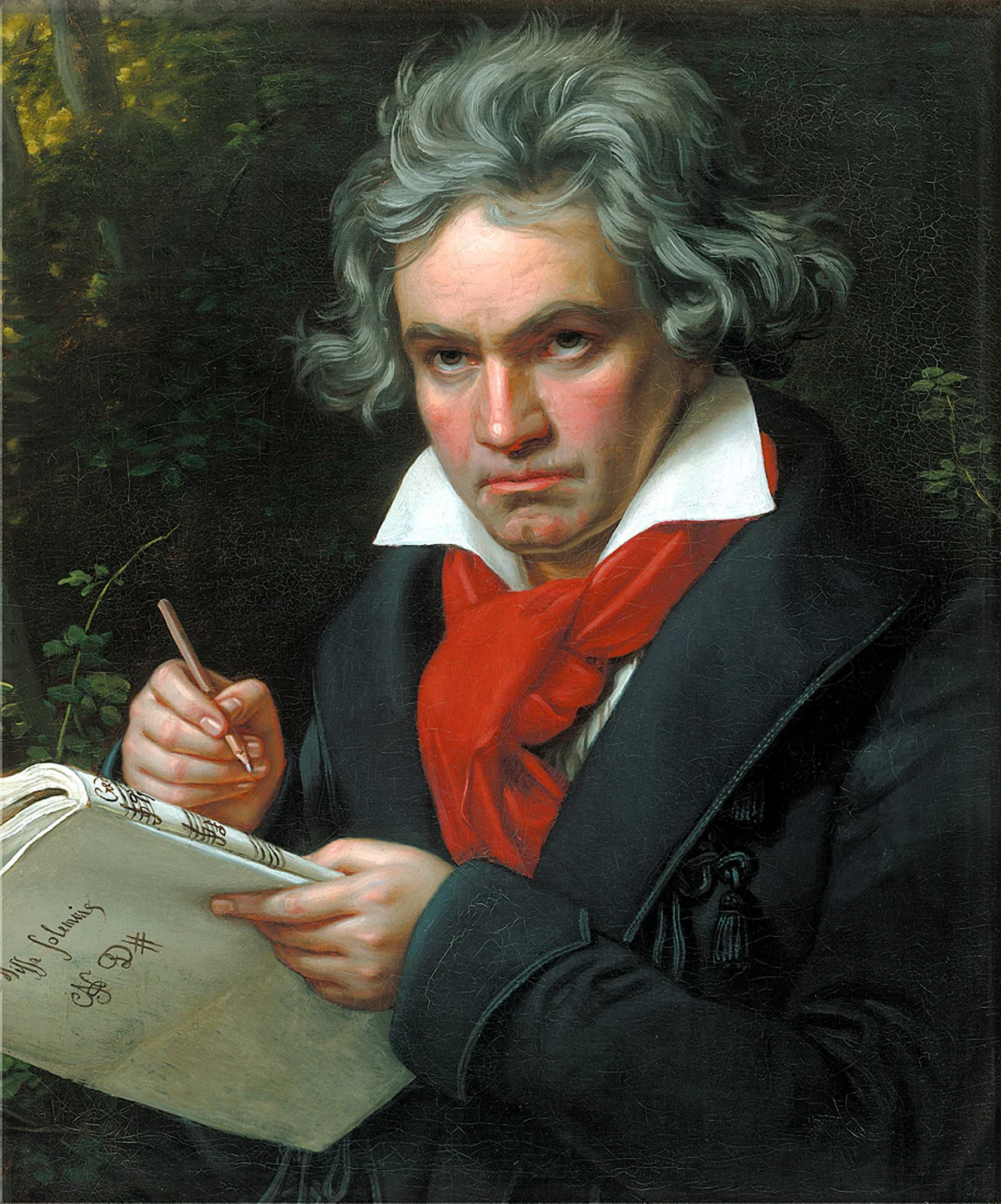
Masterpieces: Beethoven
Experience Beethoven live at the Duisburg Theater: great classics, powerful stories, and a real concert atmosphere at Opera Square. On May 12, 2026. #Beethoven #Duisburg

The Good Person of Szechwan
Brecht full of tension at Theater Duisburg: The Good Person of Szechwan shows Shen Te's struggle for goodness and power. On 12.05.2026, from 12 €. #Theater
Rhea Leman: Arendt in Duisburg 2026
Hannah Arendt as a powerful stage event in Duisburg: Rhea Leman connects thought, memory, and present. May 14, 2026, from €12. Discover now. #TheaterDuisburg #Literature
Arendt – Thinking in Dark Times
An intense theater evening about Hannah Arendt in the Great House Duisburg: clever language, big questions, strong acting. 15.05.2026 from 19:30, from 12 €. #Theater #Literature
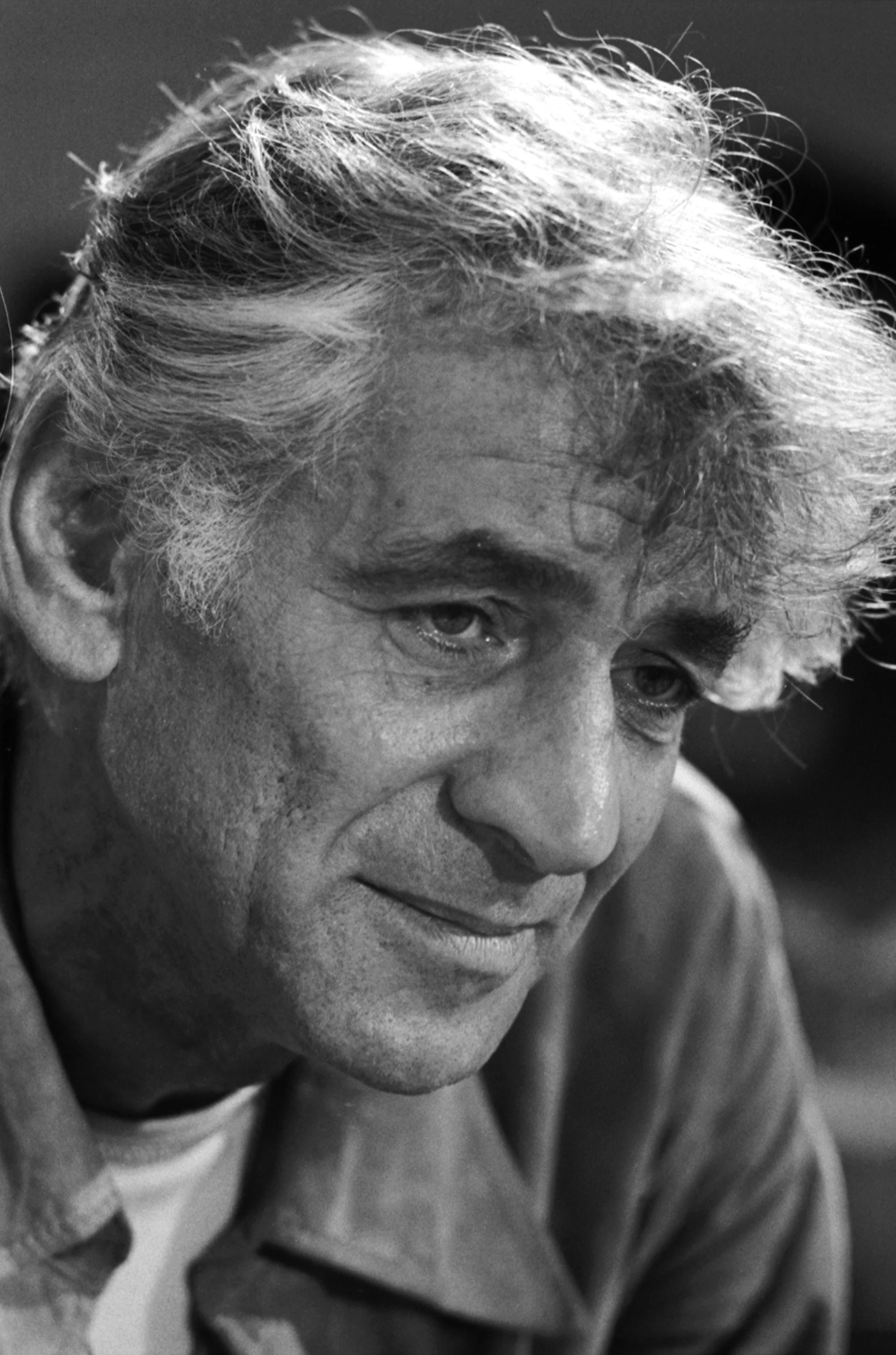
On the Town
An evening full of jazz, longing, and urban glamour at Duisburg Theater. On the Town brings Bernstein live to the stage. May 16, 2026, from €19. #TheaterDuisburg #Musical

Girls & Boys
by Dennis Kelly
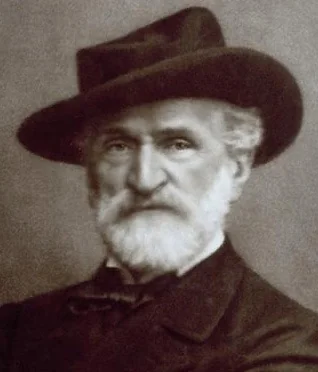
Nabucco
Verdi's Nabucco meets great choral power, struggles for power, and yearnings for freedom in Duisburg. On 17.05.2026 at 18:30 in the Grand Hall. #Opera

A Worker. Life, Age, and Death
by Didier Eribon
Frequently Asked Questions
Reviews
Per Enerud
4. January 2020
Le Nozze di Figaro at Deutsche Oper am Rhein. A solid, no-nonsense performance, but without edge, flare, umph. Good singers, good scenography, great orchestra, but all lacking the extra something that'd made the performance memorable.
Joost Francien Verbaan
9. August 2025
Beautiful building inside of Duisburg city. They have very nice shows and it is easily reachable.
Carl Anderson
22. June 2025
Definitely worth a visit! The orchestra is excellent!
Manir Hossain
18. March 2025
You can enjoy the best evening with your family and friends.
Rachna Sharma
3. October 2021
Amazing facilities and awesome collection of Opera shows. Lovely location right in the middle.