
Patrick Bahners
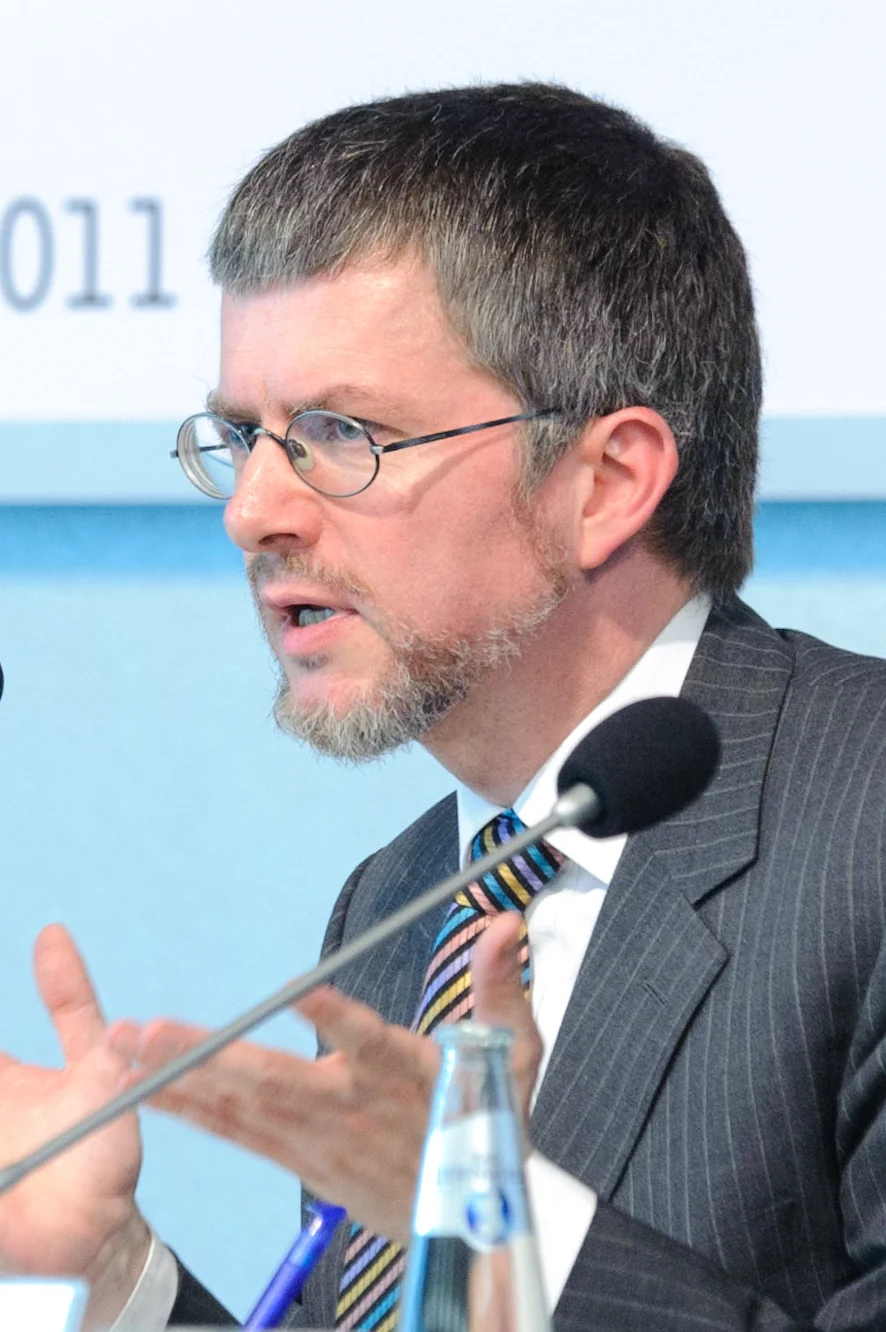
Image from Wikipedia
Image from Wikipedia
Patrick Bahners: The Precise Chronicler of the German Debate
A Journalist and Author with a Keen Eye for Culture, Politics, and Intellectual History
Patrick Bahners, born on February 10, 1967, in Paderborn, is considered one of the defining German journalists and authors of his generation. He grew up in Cologne and Bonn, attended the Beethoven-Gymnasium Bonn, and studied history and philosophy at the University of Bonn as well as at Worcester College, University of Oxford. Since 1989, he has worked in the arts section of the Frankfurter Allgemeine Zeitung, establishing himself as a pointed, historically educated, and intellectually alert publicist. ([de.wikipedia.org](https://de.wikipedia.org/wiki/Patrick_Bahners?utm_source=openai))
Biographical Background and Academic Formation
Bahners’ intellectual biography is closely linked to a classical humanities education. His master's thesis, supervised by Klaus Hildebrand, dealt with the image of the Glorious Revolution in the works of Ranke and Macaulay; at the same time, he began a doctoral project on the reception of Niccolò Machiavelli by Thomas Babington Macaulay. This early focus on historiography and the history of political ideas explains the analytical tone with which he later wrote about contemporary issues, religion, history, and the public sphere. ([de.wikipedia.org](https://de.wikipedia.org/wiki/Patrick_Bahners?utm_source=openai))
Entry into the FAZ and Rise in the Arts Section
In 1989, Bahners joined the arts section of the Frankfurter Allgemeine Zeitung; from 1993 to 1997, he reported as a staff member of the Feuilleton based in Bonn and later became the deputy head of the arts section and responsible for new non-fiction books. The FAZ and the Merkur archive document a career that early on focused on demanding essays, reviews, and cultural-political analyses. His review of Hayden White's Metahistory in Merkur in 1992 illustrates the early reach of his thinking. ([de.wikipedia.org](https://de.wikipedia.org/wiki/Patrick_Bahners?utm_source=openai))
Public Controversies and Intellectual Authority
Bahners was recognized not only as a reviewer but also as a polemicist. This became particularly apparent with Die Panikmacher, a book that received significant attention in the debate over criticism of Islam and public coarseness and was discussed by the press as an important intervention text. His authority derives from the combination of historical education, close reading, and the courage to confront heated discourses with their own simplifications. ([taz.de](https://taz.de/Patrick-Bahners-Die-Panikmacher/%215126080/?utm_source=openai))
Work, Themes, and Journalistic Signature
As an author and feuilletonist, Bahners operates at the intersection of historiography, religion, politics, and cultural criticism. The Merkur describes him as a historian, journalist, and author; the traces he leaves in the FAZ and publishing testify to a long journalistic career focused on the humanities, reviews, and contributions to debates. His writing combines academic precision with feuilletonistic sharpness, developing a distinctive form of public argumentation. ([merkur-zeitschrift.de](https://www.merkur-zeitschrift.de/autoren/patrick-bahners/?utm_source=openai))
Die Panikmacher as a Key Text
Die Panikmacher is regarded as a significant text in Bahners’ oeuvre because the book not only comments on the debate over criticism of Islam but also historically and rhetorically dissects it. The reception in media such as taz and WELT shows that Bahners has an impact precisely at moments when journalistic analysis, political dissent, and cultural diagnosis converge. Thus, the work exemplifies his journalistic style: strong in argumentation, close to sources, and resolutely countering comfortable narratives. ([taz.de](https://taz.de/Patrick-Bahners-Die-Panikmacher/%215126080/?utm_source=openai))
Roles between Editorial Work, Culture, and Science
The sources also describe Bahners as the cultural correspondent for the FAZ in Munich, and since December 2016, as the head of the humanities section. These positions underscore that his work is not confined to classical daily journalism but combines cultural history, academic debate, and feuilleton in an editorial practice. His profile thus remains that of a journalist who does not merely manage knowledge but translates it into public language. ([jewiki.net](https://www.jewiki.net/wiki/Patrick_Bahners?utm_source=openai))
Critical Reception and Cultural Significance
Reactions to Bahners vary from recognition as a precise observer of debates to sharp rejection of his positions. This friction is precisely what gives him significance: those who remain visible in the feuilletons, in publishing houses, and in public disputes over years shape the tone of a country. Bahners thus represents a form of journalism that does not merely report but also helps shape the intellectual climate. ([taz.de](https://taz.de/Patrick-Bahners-Die-Panikmacher/%215126080/?utm_source=openai))
Why Patrick Bahners Remains Compelling
Patrick Bahners is intriguing because he combines deep historical insight with the power of present-day journalism. He does not write in the mode of a quick punchline but in the mode of intellectual precision that makes contentious issues visible and reveals cultural patterns. Anyone who reads him or experiences him live encounters an author who does not simplify debates but gets to the heart of the matter. ([merkur-zeitschrift.de](https://www.merkur-zeitschrift.de/autoren/patrick-bahners/?utm_source=openai))
Conclusion: An Author for Readers Who Love Arguments
Patrick Bahners is not a musician, but a prominent German journalist, historian, and author with a long career at the FAZ and a distinctive body of work in essays, criticism, and literature for debates. His strength lies in the connection of intellectual history, language, and public intervention. Anyone who appreciates demanding analyses, precise observations, and provocative cultural criticism should definitely read Patrick Bahners and follow his public appearances. ([de.wikipedia.org](https://de.wikipedia.org/wiki/Patrick_Bahners?utm_source=openai))
Official Channels of Patrick Bahners:
- Instagram: no official profile found
- Facebook: no official profile found
- YouTube: no official profile found
- Spotify: no official profile found
- TikTok: no official profile found