
Ne Zha
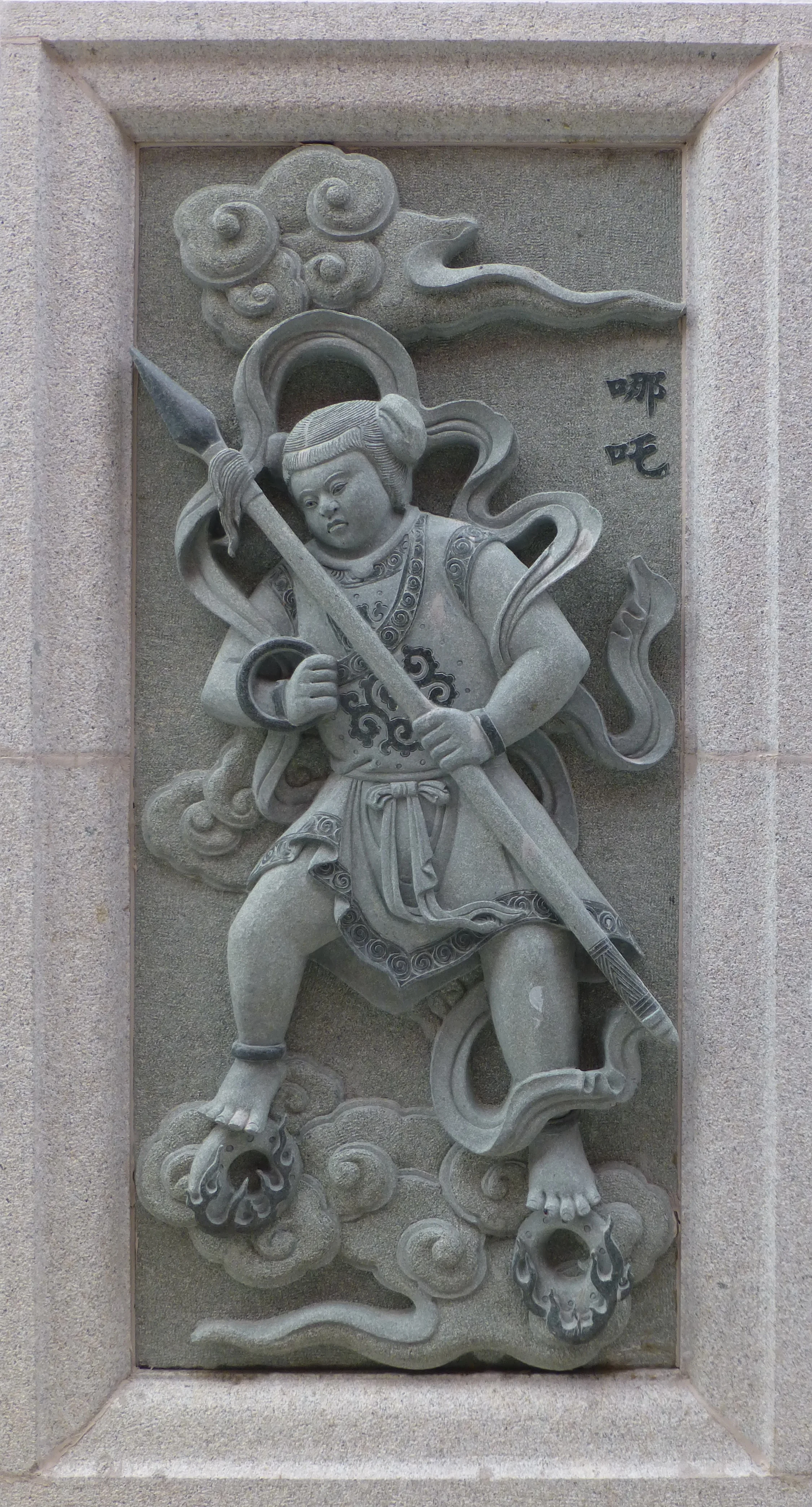
Image from Wikipedia
Image from Wikipedia
Ne Zha – the radical protector of Chinese mythology
A symbol of rebellion, purity, and spiritual power
Ne Zha (Chinese 哪咤 / 哪吒, Pinyin Nézhā) is one of the most renowned protective figures in Chinese mythology and Taoist folk religion. In the traditional narratives, he appears as a youthful deity, often in the form of a small boy, emphasizing his purity, innocence, and extraordinary spiritual energy. His titles vary, including "The Third Lotus Prince" and "Marshal of the Main Altar"; in Taoist tradition, he is revered as a god of protection and war. ([en.wikipedia.org](https://en.wikipedia.org/wiki/Nezha?utm_source=openai))
Those looking for a classic music biography will encounter a different type of cultural icon here: Ne Zha has no music career, no discography, and no songs, but rather a centuries-old narrative tradition that unfolds among Buddhist, Taoist, and folk interpretations. This mythological depth makes him a figure of immense cultural resonance, shaping literature, television, film, and pop culture to this day. ([en.wikipedia.org](https://en.wikipedia.org/wiki/Nezha?utm_source=openai))
Origins of a multifaceted deity
The roots of Ne Zha trace back to Chinese religious and literary history, where different traditions overlap. In prevalent tales, he is a divine boy endowed with extraordinary powers, acting as a protector against calamity; at the same time, later sources connect his figure with Buddhist and Taoist ideas. The tradition also recognizes him as a figure that developed from older Indian prototypes and was adapted into the Chinese context. ([en.wikipedia.org](https://en.wikipedia.org/wiki/Nezha?utm_source=openai))
Ne Zha is particularly strongly associated with Chinese folk religion, where he appears as a brave, disobedient yet just youthful hero. His popularity stems not only from his divine aura but also from the emotional drama of his legend: he embodies self-assertion, loyalty, and the breaking of rigid order. This tension between childlike appearance and superhuman power continues to give the figure its fascination. ([wikis.tw](https://wikis.tw/%E5%93%AA%E5%90%92?utm_source=openai))
The most famous tale: Ne Zha and the power of self-sacrifice
One of the best-known narratives recounts Ne Zha's conflict with the Dragon King and the tragedy of his first existence. In this version, he kills the Dragon King's son to pacify the sea or trigger a crisis, finding himself in a conflict that threatens his family. To spare his parents the burden, he takes his own life; later, he is renewed through a lotus-like rebirth. This tale makes him a figure of extraordinary emotional impact. ([en.wikipedia.org](https://en.wikipedia.org/wiki/Nezha?utm_source=openai))
The myth is so enduringly effective because it intertwines multiple motifs: childlike innocence, radical self-determination, familial duty, and spiritual redemption. Ne Zha is not presented as a smooth saintly figure but as a contradictory, energetic character whose strength arises from conflict. In the history of Chinese culture, this ambivalence is at the core of his enduring legacy. ([wikis.tw](https://wikis.tw/%E5%93%AA%E5%90%92?utm_source=openai))
From religious figure to pop culture icon
Ne Zha has appeared for centuries in literature, theater, rituals, and narrative traditions, primarily in connection with the novel Fengshen Yanyi and related materials. Modern adaptations have further increased his notoriety, including television series, animated films, and cultural reinterpretations that translate his rebellious energy into new imagery. Thus, the figure remains relevant across different generations and media forms. ([en.wikipedia.org](https://en.wikipedia.org/wiki/Nezha?utm_source=openai))
In more recent cultural contexts, Ne Zha appears as a projection surface for renewal, resistance, and youthful determination. His story fits into narratives about outsiders standing against higher powers and explains why he is often portrayed as an energetic hero in contemporary adaptations. The figure demonstrates remarkable adaptability between religious veneration and modern entertainment culture. ([smite.fandom.com](https://smite.fandom.com/zh/wiki/%E5%93%AA%E5%90%92_Ne_Zha?utm_source=openai))
Iconography, appearance, and symbolic power
Ne Zha is often depicted as a small boy, sometimes with weapons, fire or lotus symbolism, and a dynamic posture. This imagery connects purity with aggressiveness, making the figure visually unmistakable. The young character does not represent weakness but rather a concentrated, almost explosive power that has been preserved in Chinese representations for centuries. ([en.wikipedia.org](https://en.wikipedia.org/wiki/Nezha?utm_source=openai))
Especially important is the lotus symbolism, marking Ne Zha's rebirth and spiritual transformation. The lotus is a symbol of purity, enlightenment, and wholeness despite adverse circumstances in many Asian traditions. In Ne Zha's myth, this transforms into a powerful visual and theological motif, portraying his salvation not as a reward but as a transformation. ([en.wikipedia.org](https://en.wikipedia.org/wiki/Nezha?utm_source=openai))
Cultural influence and lasting relevance
Ne Zha is one of the most widely recognized figures in Chinese mythology and is well-known across large parts of the Chinese-speaking cultural sphere. His story is continually retold in religious, literary, and popular cultural contexts, making him both a figure of tradition and contemporaneity. This dual role makes him equally interesting for research, education, and pop culture. ([wapbaike.baidu.com](https://wapbaike.baidu.com/item/%E5%93%AA%E5%90%92/35250?utm_source=openai))
His significance lies not only in religious veneration but also in the psychological interpretability of his character. Ne Zha embodies the conflict between obedience and willfulness, between social order and individual choice. This renders him a timeless figure that continues to resonate in modern narratives. ([wikis.tw](https://wikis.tw/%E5%93%AA%E5%90%92?utm_source=openai))
Conclusion: Why Ne Zha fascinates to this day
Ne Zha is one of the most intriguing figures in Chinese mythology because he embodies power, vulnerability, and rebellion in a single character. His legend combines spiritual depth with dramatic storytelling, building an enormous cultural presence over generations. For those interested in mythology, Chinese cultural history, and symbolically potent hero narratives, this figure offers extraordinary allure. ([en.wikipedia.org](https://en.wikipedia.org/wiki/Nezha?utm_source=openai))
Experiencing Ne Zha live does not mean a concert in this case, but rather an encounter with one of the most powerful mythological figures of China in literature, film, theater, and religious practice. It is precisely there that his story continues to unfold the energy that makes him unforgettable. ([zh.wikipedia.org](https://zh.wikipedia.org/wiki/%E8%8E%B2%E8%8A%B1%E7%AB%A5%E5%AD%90%E5%93%AA%E5%90%92?utm_source=openai))
Official channels of Ne Zha:
- Instagram: No official profile found
- Facebook: No official profile found
- YouTube: No official profile found
- Spotify: No official profile found
- TikTok: No official profile found