
Michael Cimino
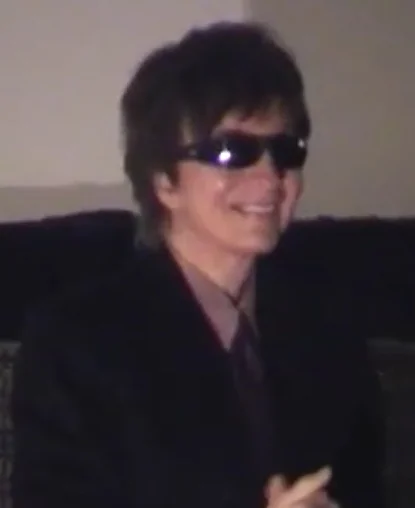
Image from Wikipedia
Image from Wikipedia
Michael Cimino – The Director of Grand Visions, Great Risks, and Immense Myths
A Filmmaker Between Triumph and Catastrophe
Michael Cimino was one of the most distinctive directors in American cinema: a filmmaker with a keen sense of visual composition, dramatic intensity, and the grand, emotional breath of epic storytelling. Born in 1939 in New York and passing away in Beverly Hills in 2016, he became world-famous with The Deer Hunter and turned into one of the most discussed figures in film history with Heaven’s Gate. His career epitomizes artistic ambition, risky production choices, and a visual language that continues to fascinate. ([en.wikipedia.org](https://en.wikipedia.org/wiki/Michael_Cimino))
Early Influences: New York, Art, and the Search for Form
Cimino grew up as the son of a music publisher and a costume designer, which explains his early proximity to design, stage, and cultural production. After high school, he first studied graphic design at Michigan State University and later attended Yale University, where he earned degrees in painting in 1961 and 1963. Even during his studies, his sense of visual rigor was evident; as an editor and art director for the humor magazine Spartan, he developed an eye for layout, space, and impact that would later influence his directing. ([en.wikipedia.org](https://en.wikipedia.org/wiki/Michael_Cimino))
After graduation, he moved to Manhattan, worked in documentary and industrial film production, and learned how to use the Moviola, the craft's core tool for editing. Concurrently, he took ballet classes and studied with Lee Strasberg at the Actors Studio to better understand the craft of acting. This blend of visual art, movement, and actor analysis resulted in a director who did not emerge from pure studio life, but from a very conscious, almost academic engagement with form. ([en.wikipedia.org](https://en.wikipedia.org/wiki/Michael_Cimino))
The Path to Cinema: Commercials, Style Awareness, and the Leap to Feature Films
In the 1960s, Cimino first gained attention in advertising. He directed commercials for brands like L’eggs, Kool, Pepsi, Canada Dry, and Maxwell House, standing out with a striking visual style, meticulous set designs, and high technical precision. His work was considered expensive and elaborate, yet particularly prestigious; even at this stage, the characteristics that would later define his feature films were apparent: patience in development, attention to detail, and an unmistakable desire for monumentality. ([en.wikipedia.org](https://en.wikipedia.org/wiki/Michael_Cimino))
The actual transition to film came through writing. With the support of collaborators like Thomas McGrath and Deric Washburn, Cimino developed his own screenplays and sought stories that touched on American myths, violence, belonging, and national identity. Early on, he was interested in narratives with historical resonance; even the unrealized project Conquering Horse reveals how deeply the American West and its colonial, mythical, and moral implications occupied his thoughts. ([en.wikipedia.org](https://en.wikipedia.org/wiki/Michael_Cimino))
The Breakthrough: The Deer Hunter as a Global Success
With The Deer Hunter, Cimino reached the peak of his fame in 1978. The film, which he co-wrote and directed, won five Academy Awards, including Best Picture and Best Editing. Christopher Walken received the Oscar for Best Supporting Actor for his performance in the film; Robert De Niro and Meryl Streep were also nominated for their roles. This instantly made Cimino one of the most important names in New Hollywood cinema. ([britannica.com](https://www.britannica.com/biography/Michael-Cimino))
The success also had a cultural dimension: The Deer Hunter connected perspectives on friendship, trauma, and war with an emotional power that transcended the Vietnam War film genre. The impact of the film established Cimino’s reputation as a director who could lead actors to intense performances while simultaneously crafting an epic vision of American experience. In retrospect, this film is seen as his crucial breakthrough – the moment when a meticulous craftsman of commercial film became an internationally renowned author. ([britannica.com](https://www.britannica.com/biography/Michael-Cimino))
Heaven’s Gate: The Great Risk and the Long Shadow
After the triumph of The Deer Hunter, the great risk came with Heaven’s Gate. Cimino approached the material with maximal ambition, building elaborate sets in Montana and working with enormous historical detail on a Western that dealt with land theft, power, and the construction of the American West. The production became notorious for its costs, scale, and extended shooting schedule; the film evolved into one of the most famously failed films in cinematic history. ([en.wikipedia.org](https://en.wikipedia.org/wiki/Michael_Cimino))
Contemporary reviews were harsh, and the film was long seen as a symbol of excessive directorial ambition. At the same time, the subsequent reception history reveals how incomplete early judgments can be: in 2012, the restored director's cut was received with standing ovations at the Venice Film Festival and later also recognized at screenings of the New York Film Festival. Cimino himself witnessed this late recognition before he was honored with the Leopard of Honour in Locarno for his life's work in 2015. ([britannica.com](https://www.britannica.com/biography/Michael-Cimino))
Later Films, Working Style, and Artistic Consistency
Even after Heaven’s Gate, Cimino remained a director with a distinct signature. His other feature films include Year of the Dragon, The Sicilian, Desperate Hours, and Sunchaser, with the AFI database listing seven directing credits in his filmography. These works show that he was never a pure one-film auteur but worked over the years with tension, genre, and moral ambiguity. ([catalog.afi.com](https://catalog.afi.com/Catalog/PersonDetails/225146))
His reputation as a perfectionist, sometimes uncompromising director persisted throughout his career. Contemporaries described him as meticulous, detail-oriented, and enormously demanding in execution, which brought him both admiration and conflicts. This tension between vision and production, between artistic power and industrial reality, continues to make Cimino's filmography instructive for film history today. ([en.wikipedia.org](https://en.wikipedia.org/wiki/Michael_Cimino))
Style, Themes, and Cultural Impact
Aesthetically, Cimino was a director of grand tableaux: long takes, precise spatial design, rich production design, and a sense for the dramatic moment where image and emotion collide. His films engage with American myths, loss of community, violence, loyalty, and the price of ambition. For this reason, his work remains a reference point in film criticism when discussing the transition from classical narrative cinema to the heightened auteur direction of the 1970s and early 1980s. ([britannica.com](https://www.britannica.com/biography/Michael-Cimino))
His influence is evident not only in awards but also in the ongoing debate about greatness and failure in cinema. The Deer Hunter continues to be read as a central American film of its era, while Heaven’s Gate serves as an example of the risks of visionary production. Cimino thus shaped two poles of film history simultaneously: the glorious triumph and the spectacular failure – and it is precisely in this tension that his enduring relevance lies. ([britannica.com](https://www.britannica.com/biography/Michael-Cimino))
Current Projects and Releases
No current projects, new films, or releases by Michael Cimino have been recorded for the years 2024 and 2025, as he passed away on July 2, 2016, at the age of 77 in Beverly Hills. In his later years, he did continue to work on various projects, some of which were not realized, and he mentioned at the 2015 Leopard of Honour ceremony that he was always working, but these plans ended with his death. ([en.wikipedia.org](https://en.wikipedia.org/wiki/Michael_Cimino))
Conclusion: A Director for Grand Screens and Big Discussions
Michael Cimino remains compelling because his work embodies the full spectrum of cinema: aesthetic mastery, narrative power, cultural ambition, and an almost tragic inclination toward risk. Watching his films is an experience of not only direction but also film history at the intersection of dreams and disasters. For this reason, it is worthwhile to discover Cimino's work on the big screen or in restored versions and to experience his images in cinematic format anew. ([britannica.com](https://www.britannica.com/biography/Michael-Cimino))
Official Channels of Michael Cimino:
- Instagram: No official profile found
- Facebook: No official profile found
- YouTube: No official profile found
- Spotify: No official profile found
- TikTok: No official profile found