
François Truffaut
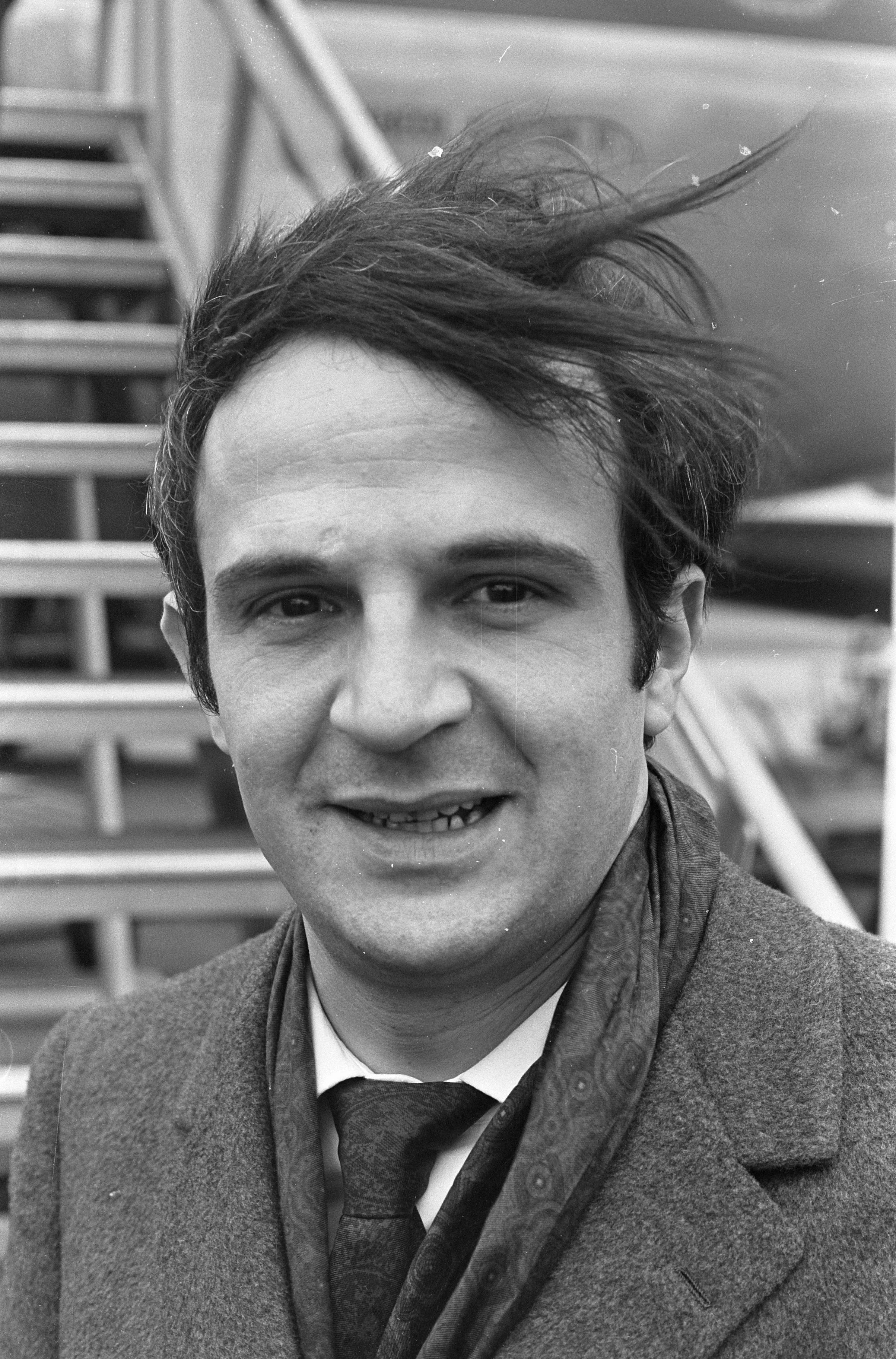
Image from Wikipedia
Image from Wikipedia
François Truffaut – The Author of French Cinema
A director who not only observed film history but wrote it anew
François Truffaut is one of those names that do not merely accompany cinema but shape it. Born in Paris in 1932 and died in Neuilly-sur-Seine in 1984, the French film director, critic, and producer became a key figure of the Nouvelle Vague and one of the most influential auteurs of European cinema. His films combine lightness, personal experience, and narrative precision in a way that remains a model for the connection between art and audience success to this day. ([en.wikipedia.org](https://en.wikipedia.org/wiki/Fran%C3%A7ois_Truffaut?utm_source=openai))
His work represents a rare blend of cinematic intelligence and emotional immediacy. Truffaut came to film through criticism, was mentored by André Bazin, and evolved from a keen observer to a director with a distinctive signature. With twenty-one feature films, he left a filmography that fundamentally changed French film culture, international film aesthetics, and the understanding of modern auteur cinema. ([encyclopedia.com](https://www.encyclopedia.com/history/encyclopedias-almanacs-transcripts-and-maps/francois-truffaut?utm_source=openai))
Biography: From Parisian Youth to Film Critic
Truffaut's early years were marked by turmoil, passion, and an escape into cinema. As a teenager, he sought solace and guidance in films, and this biographical tension later sharpened his perspective on outsiders, childhood, longing, and fragile relationships. His encounter with André Bazin became a pivotal turning point: Bazin took him under his wing, opened the door to Cahiers du Cinéma, and helped him shape a cultural career out of difficult life circumstances. ([tcm.com](https://www.tcm.com/articles/236430/francois-truffaut-profile?utm_source=openai))
As a critic, Truffaut established himself with a sharp, personal, and simultaneously programmatic stance. His early thoughts on cinema aimed not at mere reviews but at a new conception of directing, authorship, and cinematic language. This phase laid the groundwork for what would later be associated with the "politics of authors" within the French film avant-garde and made Truffaut a defining voice of post-war cinematography. ([encyclopedia.com](https://www.encyclopedia.com/history/encyclopedias-almanacs-transcripts-and-maps/francois-truffaut?utm_source=openai))
The Breakthrough: "The 400 Blows" and the Nouvelle Vague
With The 400 Blows, Truffaut achieved a decisive breakthrough in 1959. The film not only established his standing as a director but is also considered one of the founding works of the Nouvelle Vague. The character of Antoine Doinel, played by Jean-Pierre Léaud, became the director's alter ego and a projection surface for autobiographical themes such as alienation, departure, and the search for belonging. ([en.wikipedia.org](https://en.wikipedia.org/wiki/Fran%C3%A7ois_Truffaut?utm_source=openai))
This first major success already exhibited the qualities that made Truffaut's cinema enduring: apparent ease, precise character delineation, and a view of life that never feels cold or aloof. Instead of elevating cinema academically, Truffaut made it human, breathing, and immediate. This is precisely where his cultural achievement lies: he connected authorship theory with narrative accessibility and created a model that did not treat art cinema and audience closeness as contradictions. ([allocine.fr](https://www.allocine.fr/personne/fichepersonne-629/biographie/?utm_source=openai))
Antoine Doinel, Love Stories, and the Principle of Continuation
Among the most prominent constants in Truffaut's work is the character of Antoine Doinel, whom he developed over the years in several films. With Stolen Kisses, Bed and Board, and Love on the Run, he continued the love and life story of Antoine and Christine, thereby creating a rare narrated arc colored by autobiography over multiple films. This serial storytelling added depth to his oeuvre and turned the film character into a kind of living diary of growing up. ([pt.wikipedia.org](https://pt.wikipedia.org/wiki/Fran%C3%A7ois_Truffaut?utm_source=openai))
Truffaut's relationship with his characters remained marked by empathy. Even when conflicts, jealousy, or failing relationships take center stage, he avoids cynicism and instead relies on observation, rhythm, and subtle emotional nuances. This artistic development distinguishes him from many contemporaries: he did not seek demonstrative stylistic breaks but the musical order of feeling in moving images. ([allocine.fr](https://www.allocine.fr/personne/fichepersonne-629/biographie/?utm_source=openai))
Important Films: From "Jules et Jim" to "The Last Metro"
In Jules et Jim, Truffaut presented a spirited yet melancholic portrait of love and friendship in 1962. The film is among the most frequently cited key works of his career and showcases the openness of his direction, the agility of the camera, and his confidence in handling time, memory, and desire. Later works like Day for Night and The Last Metro further solidified his reputation as a director with extraordinary narrative elegance. ([allocine.fr](https://www.allocine.fr/personne/fichepersonne-629/biographie/?utm_source=openai))
The Last Metro, from 1980, marks a late highlight of his career. The film combines historical tension with the theater world, the occupation period, and personal loyalty, demonstrating Truffaut's ability to fuse genre, melodrama, and humanistic observations. Even in later works, his signature remains clearly recognizable: precise character direction, great formal discipline, and a deeply rooted love for storytelling. ([encyclopedia.com](https://www.encyclopedia.com/history/encyclopedias-almanacs-transcripts-and-maps/francois-truffaut?utm_source=openai))
Filmography and Critical Reception
Although Truffaut did not leave a musical discography in the strict sense, his filmography can be read as a cohesive artistic oeuvre. His most important works include Les Mistons, The 400 Blows, Jules et Jim, Day for Night, and The Last Metro; alongside his literary and critical work, particularly Mr. Hitchcock, How Did You Do It?, which is still regarded as a milestone in film literature. This connection between direction and theory makes him one of the rare artists whose work appears authoritative on multiple levels. ([en.wikipedia.org](https://en.wikipedia.org/wiki/Les_Mistons?utm_source=openai))
The critical reception regularly places Truffaut among the most important French directors of the 20th century. Even during his lifetime, he was considered the most popular representative of the Nouvelle Vague, combining aesthetic ambition with narrative accessibility. His films received recognition far beyond France because they take cinema seriously as an art form without sacrificing emotional directness. ([larousse.fr](https://www.larousse.fr/encyclopedie/personnage/Fran%C3%A7ois_Truffaut/147562?utm_source=openai))
Style and Cinematic Signature: Lightness, Precision, Humanism
Truffaut's style often comes across as playful, yet beneath the surface lies enormous control. His direction thrives on precise arrangement, fine timing, and a visual language that prefers intimacy over pomp. It is this balance between formal clarity and emotional openness that makes him a master of humanistic cinema, whose films are not merely told but felt. ([allocine.fr](https://www.allocine.fr/personne/fichepersonne-629/biographie/?utm_source=openai))
This is particularly evident in his treatment of childhood, memory, and love. Truffaut did not see cinema as a mere sequence of actions but as a tool to make inner states visible. This results in a body of work that connects cultural influence with personal signature and is still referenced by directors, film critics, and cinephiles today. ([encyclopedia.com](https://www.encyclopedia.com/history/encyclopedias-almanacs-transcripts-and-maps/francois-truffaut?utm_source=openai))
Influence on Film History and Cultural Significance
François Truffaut revolutionized French cinema not through dogmas but through artistic consistency. He demonstrated that a director can simultaneously be a critic, storyteller, and intellectual without losing touch with the audience. His career exemplifies the idea that cinematic art works strongest when it remains personal, intelligent, and accessible. ([universalis.fr](https://www.universalis.fr/encyclopedie/francois-truffaut/?utm_source=openai))
His collaborations with actors such as Jean-Pierre Léaud and Claude Jade, as well as his marriage to Madeleine Morgenstern and later relationship with Fanny Ardant, fit into the picture of an artist whose life and work were closely intertwined. This biographical proximity to his subjects explains why his films have such an immediate impact: they resonate with experience, memory, and genuine observation. Truffaut's influence therefore extends far beyond the Nouvelle Vague and remains a cornerstone of modern film culture. ([en.wikipedia.org](https://en.wikipedia.org/wiki/Fran%C3%A7ois_Truffaut?utm_source=openai))
Conclusion: Why François Truffaut Continues to Captivate
François Truffaut remains fascinating because his work is both elegant, candid, and intellectually precise. He transformed cinema into a language of closeness and showed that great film art does not have to be loud to make a lasting impact. Those who watch his films experience not only film history but a vibrant form of humanity that continues to touch and inspire today. ([allocine.fr](https://www.allocine.fr/personne/fichepersonne-629/biographie/?utm_source=openai))
There may no longer be a live experience in the classical sense with Truffaut, but his films reveal their full power especially on the big screen. Anyone who loves cinema as an art of gaze, memory, and emotion should definitely discover or revisit Truffaut's work. His films are among those works that deepen with each viewing, continually proving their timeless greatness anew. ([larousse.fr](https://www.larousse.fr/encyclopedie/personnage/Fran%C3%A7ois_Truffaut/147562?utm_source=openai))
Official Channels of François Truffaut:
- Instagram: No official profile found
- Facebook: No official profile found
- YouTube: No official profile found
- Spotify: No official profile found
- TikTok: No official profile found
Sources:
- Wikipedia – François Truffaut
- TCM – François Truffaut Profile
- Encyclopedia.com – François Truffaut
- Larousse – François Truffaut
- Encyclopædia Universalis – François Truffaut
- AlloCiné – François Truffaut, His Biography
- FILMSTARTS – François Truffaut, Biography
- fnac – François Truffaut, biography, bibliography, filmography
- Wikipedia – François Truffaut (English Version)