
Wim Wenders
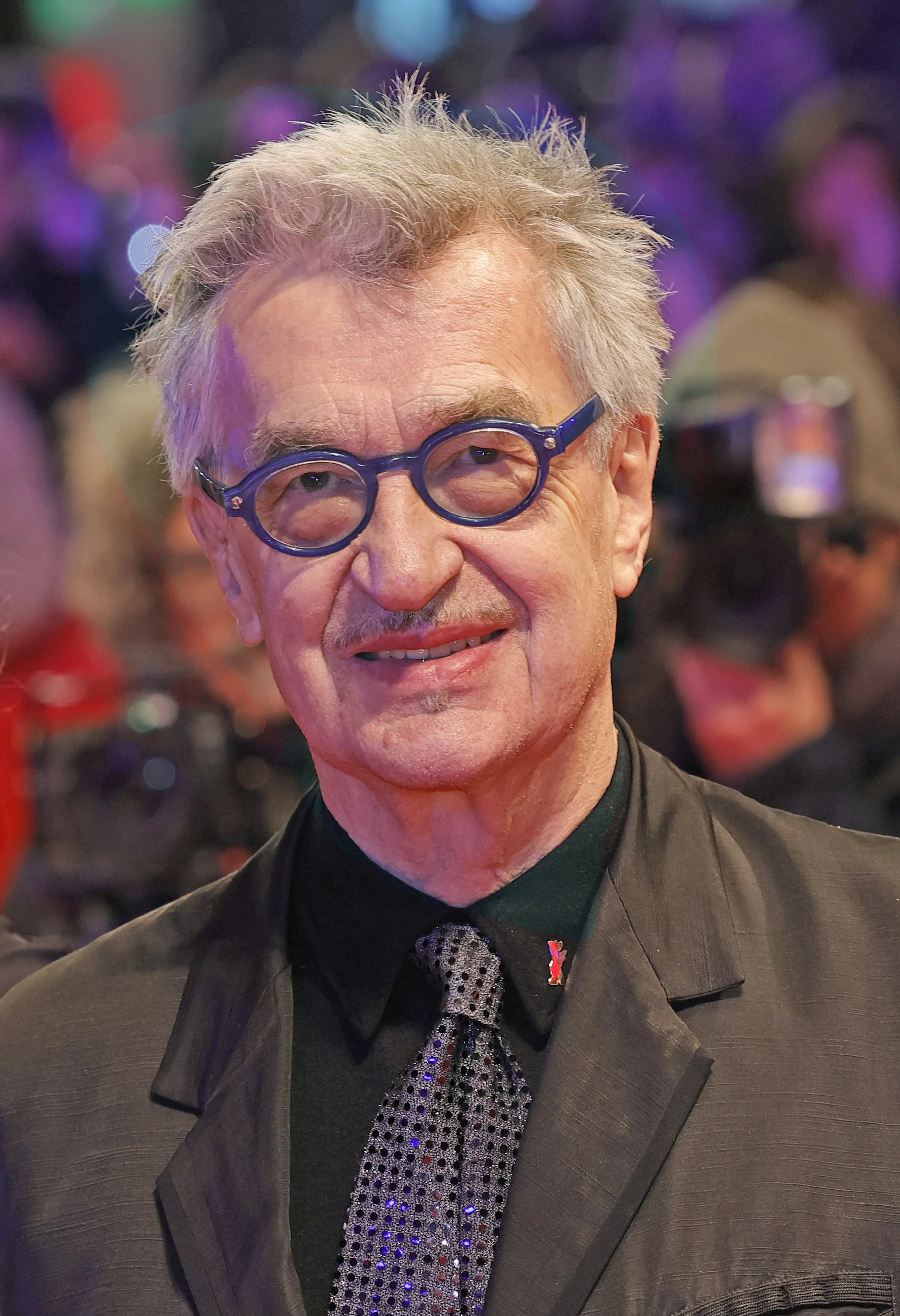
Image from Wikipedia
Image from Wikipedia
Wim Wenders – the Visual Artist of European Cinema
A Master of Movement, Memory, and Cinematic Poetry
Wim Wenders is among the pivotal authors of the New German Cinema and belongs to those directors who conceive cinema as a space of experience. Born on August 14, 1945, in Düsseldorf, he developed an artistic stance early on that is shaped by travel, music, photography, and an exploration of transitions. He sees himself as "the traveler and only then the director or photographer" – a formulation that precisely describes his entire body of work. (de.wikipedia.org)
His name is synonymous with films that translate landscapes, alienation, longing, and urban expansiveness into powerful imagery. With works like Paris, Texas, Wings of Desire, and Buena Vista Social Club, Wenders became known far beyond the German-speaking world. At the same time, he remained a photographer, exhibition artist, and a keen chronicler of culture, sound, and time. (de.wikipedia.org)
Biography: From Film Lover to Author Filmmaker
Wenders initially studied medicine and philosophy, but then chose cinema and attended HFF Munich. There, he began the artistic development that quickly placed him among the most important voices of post-war German cinema. While still a student, he wrote as a film critic for various German publications and early on connected theory with practice. (pbs.org)
In 1971, he was one of the co-founders of the Filmverlag der Autoren, a key institution of the New German Cinema. This phase was characterized by a sense of new beginnings, autonomy, and a clear counter-model to conventional entertainment cinema. Wenders shaped his style through a close engagement with literature, pop music, and American film. (de.wikipedia.org)
His early feature films such as The Goalie's Anxiety at the Penalty Kick, Alice in the Cities, and Wrong Move established the melancholic, searching tone that would remain his trademark. Particularly, Alice in the Cities is regarded as a major artistic breakthrough and a cinematic condensation of the road movie feeling that later made Wenders internationally famous. (filmportal.de)
The International Breakthrough: Road Movies as Soul Landscapes
His international breakthrough was marked by The American Friend, which made Wenders internationally visible in the USA. By this point, it became clear how adept he was at blending European existential questions with American genre aesthetics. His films do not simply tell stories of journeys; they transform movement into a search for identity. (imdb.com)
Paris, Texas became a milestone of author cinema in 1984, winning the Palme d'Or at Cannes and the BAFTA Award for Best Direction. Wings of Desire also became a global classic and solidified Wenders' reputation as a director with a distinctive visual language. These films transformed loneliness, urban architecture, and open landscapes into a universal cinema of empathy. (en.wikipedia.org)
Wenders' cinema of the 1980s is characterized by visual calm, precise composition, and a deep sensitivity to atmosphere. The characters often remain seekers, observers, travelers. It is precisely this quality that gives his films a rare emotional lasting impact that extends far beyond the moment of narration. (wim-wenders.com)
Music as a Driving Force in His Work
Very few directors have integrated music as consistently into the dramaturgy of their films as Wim Wenders. On his official website, he describes the connection between film and music as essential to his cinematic work; jukeboxes, turntables, and car radios appear not just as decor, but as narrative forces in many of his works. Music keeps the images in motion and gives scenes rhythmic depth. (wim-wenders.com)
Particularly influential are his collaborations with Ry Cooder, the iconic soundtrack of Paris, Texas, and the musical rediscovery of Cuban traditions in Buena Vista Social Club. The Soul of a Man and Pina also demonstrate how deeply Wenders understands music not just as accompaniment, but as cultural memory. His filmography is thus also a history of soundtrack artistry and musical curation. (wim-wenders.com)
The Wenders website also documents that he has been in close contact with musicians, composers, and bands since the early days of his career. Among his artistic collaborators are Lou Reed, Nick Cave, U2, and The Eels, which also explains his openness to music videos and hybrid formats. This proximity to music gives his work a special cultural resonance. (wim-wenders.com)
Documentary Film, Photography, and Expanding Perspectives
Wenders' international successes are not only based on feature films but also on strong documentaries. Buena Vista Social Club became a global event and brought Cuban music culture to the forefront of global interest. Pina, on the other hand, translated Pina Bausch's choreographies into a three-dimensional, physically palpable visual language. (web.de)
Also, Anselm from 2023 shows Wenders' ongoing interest in artist portraits, memory, and material presence. The film combines biographical exploration with a sensual approach to art production. In this way, Wenders continuously expands his work beyond the traditional directorial role and engages in an interdisciplinary visual art. (en.wikipedia.org)
As a photographer, he developed an independent position parallel to his filmmaking, characterized by Polaroids, landscapes, and urban details. This photographic perspective permeates his films and explains the special calm of many shots. Wenders thinks in images that are both observant and poetic. (filmportal.de)
Current Projects, Awards, and Late Mastery
In 2024 and 2025, Wenders remains exceptionally active. His official website lists indications of honors, retrospectives, exhibitions, and new projects, including a new 3D documentary about architect Peter Zumthor, an exhibition in Bonn, and several international tributes to his work. Additionally, awards such as the European Film Academy Lifetime Achievement Award 2024 and other cultural prizes are included. (wim-wenders.com)
The calendar on his official website indicates events planned for 2026, including those in Bologna and Frankfurt, such as the format Driven by Music, which focuses on the role of music in his cinema. Furthermore, Wenders was announced as the jury president of the Berlinale in 2026, reinforcing his status as an international authority in world cinema. His work thus remains not only historically relevant but actively engaged in the current film landscape. (wim-wenders.com)
The later phase of his career proves that Wenders continues to explore new forms while not losing his distinctive style. Restorations, exhibitions, discussions, and new film projects stand alongside classic cinema. It is precisely this productive openness that makes him so exciting for film and culture enthusiasts. (wim-wenders.com)
Filmography, Reception, and Cultural Influence
Wenders’ work includes more than 30 feature films and numerous documentaries, as well as short films, installations, and photography projects. His most significant cultural achievement lies in merging European authorial aesthetics with pop culture, music history, and visual contemplation. In doing so, he has shaped generations of filmmakers who sought to rethink the road movie, essayistic storytelling, and musical narration. (wim-wenders.com)
Critical reception has repeatedly honored him with prestigious awards, including the Palme d'Or for Paris, Texas, the BAFTA for Best Direction, the Prize of the International Critics for his early works, and numerous lifetime achievement awards. Wenders is no longer merely a German director with an international career but a cultural reference figure in world cinema. His films have profoundly changed perceptions of loneliness, spaces, and musical memory. (deutsches-filmhaus.de)
The influence on audiences and the scene is also measurable: retrospectives, restored editions, and festival honors keep his work in constant presence. Those who watch Wenders experience not a cinema of effects, but a cinema of perception. In that lies his lasting impact. (wim-wenders.com)
Conclusion: An Artist of Seeing, Hearing, and Being on the Move
Wim Wenders remains intriguing because he has never understood cinema as a rigid system but as an open space for music, memory, photography, and movement. His films possess the rare ability to quietly narrate profound emotions and shape lasting images from them. Those who love the interplay of sound, landscape, and human longing will find a lifelong field of discovery in his work. (wim-wenders.com)
Especially in live settings, such as retrospectives, discussion evenings, or special screenings, the full greatness of this artist unfolds. Wenders represents a cinema that is not simply consumed but truly experienced. To see him means to experience a master of European cinema in his most elemental element: the gaze upon the world. (wim-wenders.com)
Official Channels of Wim Wenders:
- Instagram: https://www.instagram.com/wimwendersfoundation/
- Instagram: https://www.instagram.com/wenders_images/?igsh=ZDNlZDc0MzIxNw%3D%3D&utm_source=ig_web_button_share_sheet
- Facebook: https://www.facebook.com/pages/Wim-Wenders-Stiftung/281918715339805?fref=photo
- YouTube: No official profile found
- Spotify: No official profile found
- TikTok: No official profile found