
Orson Welles
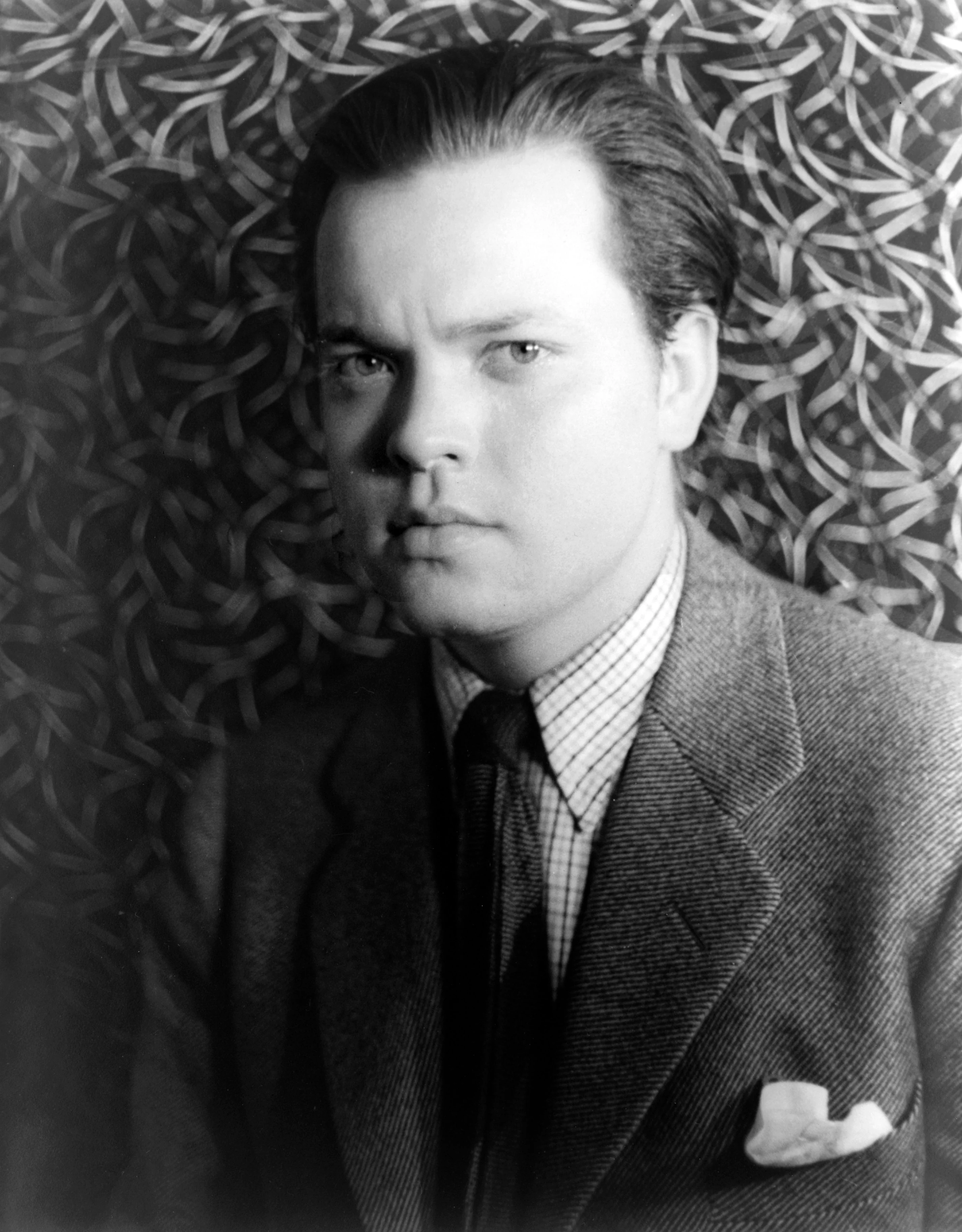
Image from Wikipedia
Image from Wikipedia
Orson Welles – The Visionary Trailblazer Between Radio, Stage, and Cinema
A Life of Artistic Provocation and Cultural Benchmark
George Orson Welles is regarded as one of the most influential artists of the 20th century. As a radio play director, film director, actor, and author, he combined theater, radio, and cinema into a distinctive form of staging that remains a reference point for modern narrative art to this day. His name embodies artistic independence, formal boldness, and the courage to break established conventions.
From an early age, Welles developed a stage presence that captivated both critics and audiences alike. With the legendary radio play adaptation of The War of the Worlds and his later Broadway works, he demonstrated that suspense, rhythm, and sound dramaturgy could create a significant impact even without visual overwhelming. His career was never linear, but it was precisely these breaks that made him a colorful figure in cultural history.
Early Years: Talent, Discipline, and the Will to Form
Welles was born on May 6, 1915, in Kenosha, Wisconsin. At a young age, his extraordinary sensitivity to language, staging, and theatrical impact became apparent. He started working in theater early and developed an artistic stance based on precision, control, and maximal expressiveness.
His early career was marked by remarkable productivity. Welles directed, adapted, and interpreted with the self-assuredness of an author who not only masters the rules of the medium but also seeks to redefine them. This attitude became the foundation of his entire music career in the broad sense of sound and narrative art, as the acoustic composition played a central role in radio.
The Breakthrough in Radio: Sound as Theatrical Space
Welles achieved significant public recognition with his famous radio play The War of the Worlds. The broadcast catapulted him to fame and showcased the power of a meticulously constructed radio production. Welles understood radio not merely as a source of information but as a stage for atmosphere, suspense, and collective imagination.
His work in radio plays is considered innovative because it combined language, sound, and timing into a highly effective form of storytelling. This is central to his artistic significance: Welles thought in scenes, rhythms, and acoustic contrasts. His radio productions profoundly influenced the perception of the medium and established him as a pioneer of media staging.
Citizen Kane and the Rise to an Exceptional Director
With his first feature film Citizen Kane, Welles set a standard against which film history is measured to this day. The work is often described as one of the greatest films of all time and is regarded as the epitome of cinematic innovation. In it, Welles combined directing, energetic performance, and form-conscious imagery into a work of extraordinary density.
The impact of Citizen Kane derives from a precise composition of camera, editing, and narrative levels. Welles demonstrated how much authority a director can have over the overall architecture of a film. The British film magazine Sight & Sound later voted him the greatest director of all time, a testament to how deeply his artistic authority is ingrained in film criticism.
Career Between Triumph and Resistance
Welles' subsequent career was marked by continual tensions with studios, budgets, and production conditions. Many of his projects were never completed or were released only in altered forms. However, this gave rise to the myth of the uncompromising author, whose vision often exceeded the industrial structures within which he worked.
The issues with The Magnificent Ambersons weighed heavily on his relationship with the studios. Nonetheless, Welles repeatedly showed that artistic consistency is not a comfort program but a risky process of control, loss, and renewal. His career is therefore also a story about the price of radical originality.
Theater, Broadway, and the Art of Staging
Before and alongside film, theater remained a central field of his work. With pioneering Broadway productions, Welles set standards for pace, body language, and dramatic condensation. His stage works combined classical themes with modern directness and made him an innovator of the performing arts.
Welles used theater as a laboratory for formal experiments. There, he explored conflicts between text, voice, and space that later influenced his film work. This close connection between stage, radio, and film explains why his artistic development rarely followed a linear path but was always enlightening.
Style, Voice, and Cultural Influence
Welles' style was characterized by authority, gravity, and a distinctive sensitivity to dramatic impact. His voice, presence, and ability for stylistic condensation made him an iconic figure in both popular and high culture. He navigated between pathos, irony, and intellectual precision with remarkable assurance.
His cultural influence extends far beyond individual works. Welles embodied the idea of the artist as a total designer, who not only directs but also thinks, organizes, and interprets. For film historians, directors, and media artists, he remains a touchstone when it comes to creative autonomy, narrative innovation, and the connection between technique and expression.
Discography, Recordings, and Acoustic Reverberations
Although Welles was not a musician in the classical sense, he left a remarkable auditory legacy in the form of radio plays, recordings, and later re-releases. His discography includes radio works, spoken literature, and documentary audio recordings that document his special relationship with voice. This acoustic dimension completes the image of an artist who took listening as seriously as seeing.
The reception of these recordings shows how greatly Welles shaped the art of speaking. His interpretation of texts, rhythm, and awareness of pauses and dynamics made every recording a performative event. Those who listen to his works experience not only content but staging at the highest level.
Critical Reception and Lasting Myth
Critics recognized Welles early on as an exceptional talent, even though his relationship with the film industry remained fraught. His works have often been described as visionary, particularly due to their narrative complexity and technical daring. The persistent presence of Citizen Kane in canons and top lists demonstrates that his artistic achievement not only passed the test of time but surpassed it.
At the same time, Welles' posthumous fame is closely linked to the image of the unfinished genius. Many of his projects remain fragments, sketches, or lost visions. However, therein lies a paradoxical strength: his work does not seem complete, but open, demanding, and inexhaustible.
Conclusion: Why Orson Welles Continues to Fascinate Today
Orson Welles remains fascinating because he never understood art as routine. He worked with the energy of a renewer, pushing every medium to its limits and discovering new possibilities in the process. His career illustrates how closely risk, originality, and cultural impact are intertwined.
Those who discover Welles today encounter not just a director but an architect of modern perception. His works are worth studying as lessons in narrative art, sound directing, and visual power. Orson Welles should not only be studied but experienced repeatedly.
Official Channels of Orson Welles:
- Instagram: no official profile found
- Facebook: no official profile found
- YouTube: no official profile found
- Spotify: no official profile found
- TikTok: no official profile found