
Marcus Strümpe
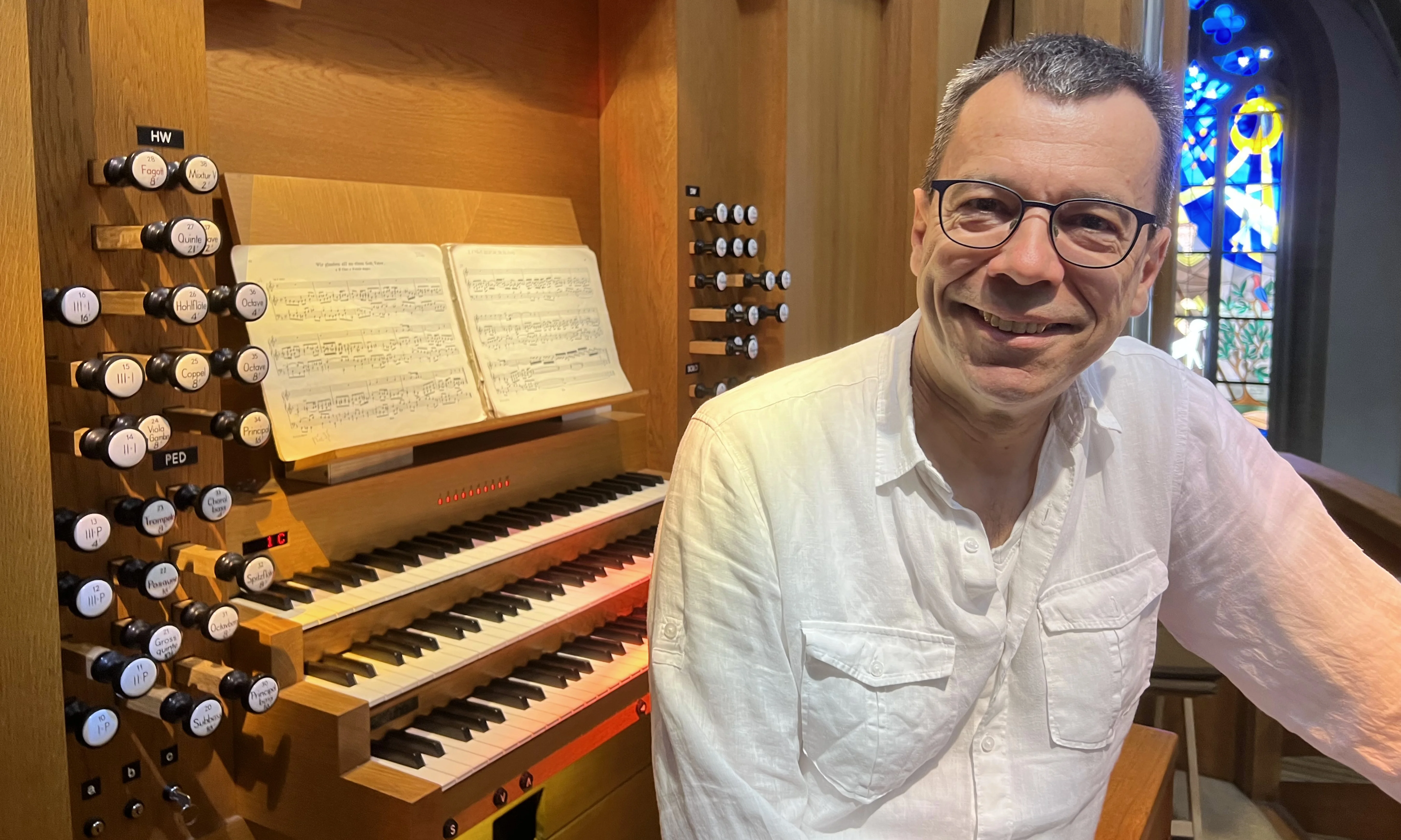
Image from Wikipedia
Image from Wikipedia
Marcus Strümpe – The Church Musician Who Brings Organs, Choirs, and Spaces to Life
A Profile Between Liturgy, Concert Stage, and Sonic Authority
Marcus Strümpe, born in 1967 in Herborn, is one of the prominent German church musicians whose work extends far beyond the narrow confines of worship. His artistic field combines organ artistry, choir conducting, and curatorial responsibility into a comprehensive picture that has been influential in Duisburg for years. Those who examine his career will recognize a musician who merges ecclesiastical tradition with concert presence and a keen sense for program design. ([de.wikipedia.org](https://de.wikipedia.org/wiki/Marcus_Str%C3%BCmpe))
Education, Influences, and Early Musical Development
Strümpe studied church music at the Folkwang University of the Arts in Essen and at the Trossingen University of Music, completing his studies with an A-exam. Early on, he worked as an assistant to Ralf Otto, which deeply involved him in the questions of choir rehearsals, accompaniment, and organization. Masterclasses with Sergiu Celibidache and Frieder Bernius, along with training under Gerd Zacher and Christoph Bossert, highlight a career that emphasizes both artistic discipline and stylistic breadth. ([de.wikipedia.org](https://de.wikipedia.org/wiki/Marcus_Str%C3%BCmpe))
This biographical foundation is crucial for his later profile: Strümpe does not envision church music as a marginal area but as a highly developed musical practice with an architectural awareness of space, sound, and repertoire. In his artistic development, historical performance practice, liturgical responsibility, and the ability to shape the effects of large instruments and ensembles converge. This is precisely the quality of a church musician who not only accompanies but also shapes. ([de.wikipedia.org](https://de.wikipedia.org/wiki/Marcus_Str%C3%BCmpe))
Career in Duisburg: From Pauluskirche to Salvatorkirche
From 1994 to 2007, Strümpe served as a church musician at Pauluskirche in Duisburg. During this time, he significantly shaped the local church music practice and gained experience in the interplay of worship, choir work, and concert life. In 2003, he took over the leadership of the Philharmonic Choir in Duisburg, thereby expanding his influence to encompass the professional choir culture of a larger urban musical landscape. ([de.wikipedia.org](https://de.wikipedia.org/wiki/Marcus_Str%C3%BCmpe))
In 2007, he was appointed Kantor at Salvatorkirche in Duisburg, one of the central places of church and musical identity in the city. There, he organizes a rich music program, supports the acoustic development of the space, and shapes the musical practice with long-term continuity. His role goes beyond that of a mere performer: Strümpe is simultaneously a program manager, sound designer, and a factor of institutional stability. ([de.wikipedia.org](https://de.wikipedia.org/wiki/Marcus_Str%C3%BCmpe))
Organ Art with Profile: Concert Activities and Repertoire
As an organist, Strümpe is not confined to a single venue but is regularly present at significant performance spaces. His concert activities have taken him to cathedrals and churches in Lincoln, Galway, St. Anna di Stazzema, the Altenberger Dom, and to the Goll organ at St. Martin in Memmingen. These venues demonstrate a musician who understands the organ as an international concert instrument and employs it stylistically across a broad spectrum. ([duisburger-philharmoniker.de](https://duisburger-philharmoniker.de/duisburger-philharmoniker/unsere-gast-interpreten/marcus-struempe/))
Especially notable is his connection to the Kuhn organ of Salvatorkirche Duisburg, which he has portrayed on a CD with works by Cochereau, Gershwin, Bach, and other composers. This indicates a repertoire understanding that does not see French symphonic music, American colors, and baroque structures as conflicting, but rather as soundly productive when combined. Strümpe thus demonstrates the interpretive openness that keeps modern organ art vibrant. ([de.wikipedia.org](https://de.wikipedia.org/wiki/Marcus_Strümpe))
Discography and Documented Recordings
The recorded release "Die Kuhn-Orgel der Salvatorkirche Duisburg. Marcus Strümpe plays symphonic organ music" holds a special place in his discography to date. It makes his artistic approach audible and connects instrument, space, and interpretation into a concentrated portrait. Especially in the realm of church music, where live experience and acoustic architecture are crucial, such a release carries high documentary value. ([de.wikipedia.org](https://de.wikipedia.org/wiki/Marcus_Strümpe))
The references from the Duisburg Philharmonic and other concert announcements also attest to a continuous presence as a performer in demanding concert formats. Thus, Strümpe does not remain static in his repertoire but is embedded in programs that intertwine organ, choir, and orchestral culture. His artistic identity emerges from this connection of documentation, performance, and institutional embedding. ([duisburger-philharmoniker.de](https://duisburger-philharmoniker.de/duisburger-philharmoniker/unsere-gast-interpreten/marcus-struempe/))
Style, Sound Aesthetics, and Musical Authority
Strümpe's style can be described as precise, responsible, and color-conscious. His training with renowned masters of organ and choral culture, along with his role as a choir conductor and curator, indicates a deep understanding of musical architecture, articulation, and register dramaturgy. His work at Mercatorhalle also shows that he thinks not only as a performer but also as a co-creator of instruments and sound spaces. ([de.wikipedia.org](https://de.wikipedia.org/wiki/Marcus_Strümpe))
In church music, authority arises not from volume but from reliability, repertoire knowledge, and the ability to make the space resonate. Strümpe embodies this attitude convincingly. His programs draw on the tradition of French organ music, Bach's strictness, and symphonic sound colors, without falling into mere stylistic collages. The result is a music career that prioritizes substance over effect. ([duisburger-philharmoniker.de](https://duisburger-philharmoniker.de/duisburger-philharmoniker/unsere-gast-interpreten/marcus-struempe/))
Cultural Influence in Duisburg and Beyond
Marcus Strümpe is closely connected to Duisburg and has sustainably shaped the church music landscape there. As Kantor of Salvatorkirche, director of the Philharmonic Choir, and curator of a significant organ, he contributes to the cultural identity of the city. His work merges liturgical practice with public cultural work, making church music a vibrant part of musical life visible. ([de.wikipedia.org](https://de.wikipedia.org/wiki/Marcus_Strümpe))
His influence is also evident in current formats: For the concert seasons 2024/2025 and 2025/2026, he is featured in the programs of the Duisburg Philharmonic, as well as in the Orgelfestival Ruhr. This continuity emphasizes that Strümpe is not merely a biographical figure of the past, but is actively engaged in the present of the organ and choral scene. ([duisburger-philharmoniker.de](https://duisburger-philharmoniker.de/duisburger-philharmoniker/unsere-gast-interpreten/marcus-struempe/))
Current Projects and Musical Presence
Recent and current projects include performances in the 2025/2026 season of the Duisburg Philharmonic, including "1. Toccata" on November 1, 2025, and the New Year's concert in early January 2026. Additionally, Strümpe is announced for Orgelfestival.Ruhr 2026, where his role as Kantor of Salvatorkirche will again be situated within a larger festival context. This demonstrates an artistic presence that focuses on continuity, repertoire cultivation, and public visibility. ([duisburger-philharmoniker.de](https://duisburger-philharmoniker.de/duisburger-philharmoniker/unsere-gast-interpreten/marcus-struempe/))
Projects like the Duisburg Organ Walk 2026 also evidence his active involvement in the regional music scene. Strümpe remains a musician whose work resonates not only in the concert hall but also in advocacy, city, and church culture. For music lovers, this connection of expertise and accessibility is particularly exciting. ([pfarrei-liebfrauen-duisburg.de](https://www.pfarrei-liebfrauen-duisburg.de/2026/05/10/1-duisburger-orgelspaziergang-31-05-26/?utm_source=openai))
Conclusion: An Organist with Stance, Depth, and Sonic Signature
Marcus Strümpe impresses as a church musician because he does not merely manage tradition but actively shapes it. His career demonstrates high-level training, long-term institutional responsibility, and a remarkable presence as an organist, choir conductor, and curator. Those who experience him live encounter a musician who not only fills spaces but musically interprets and transforms them. This is where the tension of his work lies: in the blend of spiritual depth, technical sovereignty, and cultural responsibility. ([de.wikipedia.org](https://de.wikipedia.org/wiki/Marcus_Str%C3%BCmpe))
Anyone who wants to experience organ music, choral sound, and church music in their best form should definitely hear Marcus Strümpe on stage or at the organ bench. His concerts combine artistic seriousness with sonic brilliance and demonstrate how vital this repertoire can sound in the 21st century. Strümpe is a name for listeners searching for substance, tradition, and contemporary relevance in a musician. ([duisburger-philharmoniker.de](https://duisburger-philharmoniker.de/duisburger-philharmoniker/unsere-gast-interpreten/marcus-struempe/))
Official Channels of Marcus Strümpe:
- Instagram: No official profile found
- Facebook: No official profile found
- YouTube: No official profile found
- Spotify: No official profile found
- TikTok: No official profile found
Sources:
Upcoming Events
Orgelfestival.Ruhr2026: Tour de France