
Jean-Paul Salomé
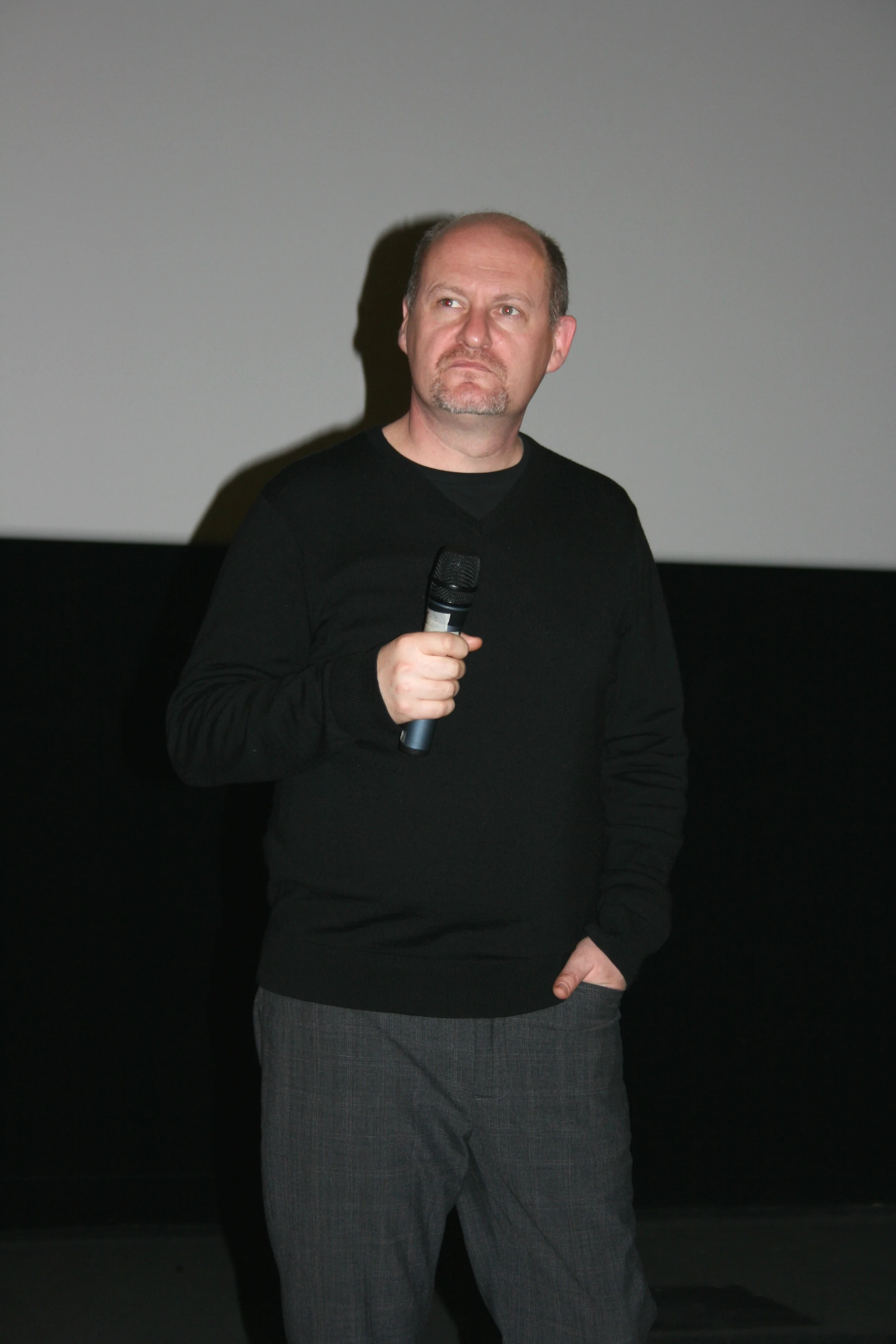
Image from Wikipedia
Image from Wikipedia
Jean-Paul Salomé: The Elegant Chronicler of French Genre Film
A Director Who Transforms Crime Stories into Character-Driven Cinema
Jean-Paul Salomé, born in 1960 in Paris, is one of the prominent French directors and screenwriters of his generation. His work confidently navigates between crime, thriller, comedy, and historically grounded narrative cinema. His ability to blend genre forms with precise character development and a keen sense of social tensions is particularly noteworthy. ([de.wikipedia.org](https://de.wikipedia.org/wiki/Jean-Paul_Salom%C3%A9))
Early Influences, Film Studies, and the Path to the Set
Salomé studied film studies at the Sorbonne and dropped out to work as an assistant to Claude Lelouch on the film Ein jeglicher wird seinen Lohn empfangen… in 1981. This early practice on set shaped his perspective on staging, rhythm, and acting. In the early 1980s, he created his first short and documentary works, L’heure d’aimer and La petite commission, which made his cinematic handwriting recognizable. ([de.wikipedia.org](https://de.wikipedia.org/wiki/Jean-Paul_Salom%C3%A9))
The Entry into Feature Film and Initial Success
Salomé made his feature film debut in 1994 with Les Braqueuses, known in German as Rache ist weiblich. The film earned him the Jury's Special Award at the Cognac Festival du Film Policier and marked the beginning of a career that consistently developed within the tension between entertainment and auteur signature. Even here, his interest in characters who exist on the fringes of order yet remain emotionally relatable was evident. ([de.wikipedia.org](https://de.wikipedia.org/wiki/Jean-Paul_Salom%C3%A9))
Genre as a Form, Not a Template
In the following years, Salomé sharpened his profile with films like Restons groupés, Belphégor – Le fantôme du Louvre, and Arsène Lupin. These works particularly showcase his preference for popular material, which he does not merely illustrate but reinterprets dramaturgically. He often also wrote the screenplays himself, resulting in a particularly cohesive unity of direction and narrative tone. ([de.wikipedia.org](https://de.wikipedia.org/wiki/Jean-Paul_Salom%C3%A9))
Crime Stories with Historical Depth
With Les Femmes de l’Ombre, The Chameleon, La Daronne, and La Syndicaliste, Salomé further expressed his distinctive style: he narrates themes of identity, deception, power, and social pressure, often focusing on real or realistically grounded characters. Particularly, La Daronne and La Syndicaliste showcased him once again as a director who confidently places complex female protagonists at the center of his stories. In this realm, he combines genre storytelling with a keen observation of social realities. ([de.wikipedia.org](https://de.wikipedia.org/wiki/Jean-Paul_Salom%C3%A9))
Current Projects: L’Affaire Bojarski and the Return of Grand Crime Cinema
At the beginning of 2026, Salomé was back in the spotlight with L’Affaire Bojarski, internationally known as The Money Maker. According to Cineuropa, this is his tenth feature film and is based on the story of the counterfeiter Jan Bojarski, a Polish engineer who became known in France as the “Cézanne of counterfeit coins.” The CNC reported on January 7, 2026, that Salomé consciously moves away from classical biopics with this project. ([cineuropa.org](https://cineuropa.org/en/interview/487420/))
Stylistic Signature: Tension, Precision, and Social Observation
Salomé's cinema thrives on controlled tension, clear character guidance, and a penchant for boundary-crossers. In interviews, he describes criminal stories not as mere action machines but as spaces for characters, conflicts, and moral ambiguity. This is precisely where his quality lies: he stages classic genre motifs in a way that both entertains and reflects social reality. ([cineuropa.org](https://cineuropa.org/en/interview/487420/))
Impact and Recognition in French Cinema
Salomé is not only a filmmaker but also a significant player in the French industry. He was a member of the Cannes Jury in 2006 and was appointed to the Orizzonti Competition jury at the 80th Venice Film Festival in 2023. His work is also documented at the SACD, which records his films and awards, underscoring his position in French auteur cinema. ([de.wikipedia.org](https://de.wikipedia.org/wiki/Jean-Paul_Salom%C3%A9))
Filmography: A Concise Filmography Instead of a Music Catalog
As Jean-Paul Salomé is not a musician but a director and screenwriter, his artistic work consists of a filmography rather than a discography. His key directing works include Les Braqueuses, Restons groupés, Belphégor – Le fantôme du Louvre, Arsène Lupin, Les Femmes de l’Ombre, The Chameleon, Je fais le mort, La Daronne, La Syndicaliste, and L’Affaire Bojarski. This trajectory illustrates a career that has condensed from early TV work into independent, audience-friendly genre cinema. ([sacd.fr](https://www.sacd.fr/fr/jean-paul-salome-auteur-doeuvres-cinematographiques))
Cultural Influence: A Bridge Builder Between Arthouse and Popular Cinema
His films represent a French cinema that considers tension, elegance, and social relevance together. In this sense, Salomé is a bridge builder: he meets audience expectations without simplifying characters and settings. Especially in works about fraud, identity, and institutional pressure, it shows how much his cinema thrives on observational precision and dramatic discipline. ([cineuropa.org](https://cineuropa.org/en/interview/487420/))
Conclusion: Why Jean-Paul Salomé Remains Fascinating
Jean-Paul Salomé is fascinating because he combines popular storytelling with a clever signature. His films are precisely constructed, well-acted, and thematically accessible to a broad audience without losing their character depth. Those looking to experience French genre cinema with substance should not only watch his works but explore them on the big screen. ([cineuropa.org](https://cineuropa.org/en/interview/487420/))
Official Channels of Jean-Paul Salomé:
- Instagram: No official profile found
- Facebook: No official profile found
- YouTube: No official profile found
- Spotify: No official profile found
- TikTok: No official profile found
Sources:
- Wikipedia – Jean-Paul Salomé
- SACD – Jean-Paul Salomé, Auteur d’œuvres cinématographiques
- CNC – Jean-Paul Salomé et Bastien Daret: L’Affaire Bojarski
- Cineuropa – Jean-Paul Salomé, Director of The Money Maker
- Festival de Cannes – Jean-Paul Salomé
- AlloCiné – Jean-Paul Salomé, biography
- IMDb – Jean-Paul Salomé, Biography
- Télérama – L’Affaire Bojarski, the return of grand popular cinema
Upcoming Events
The Perfect Pretense - The Bojarski Case