
Jaume Claret Muxart
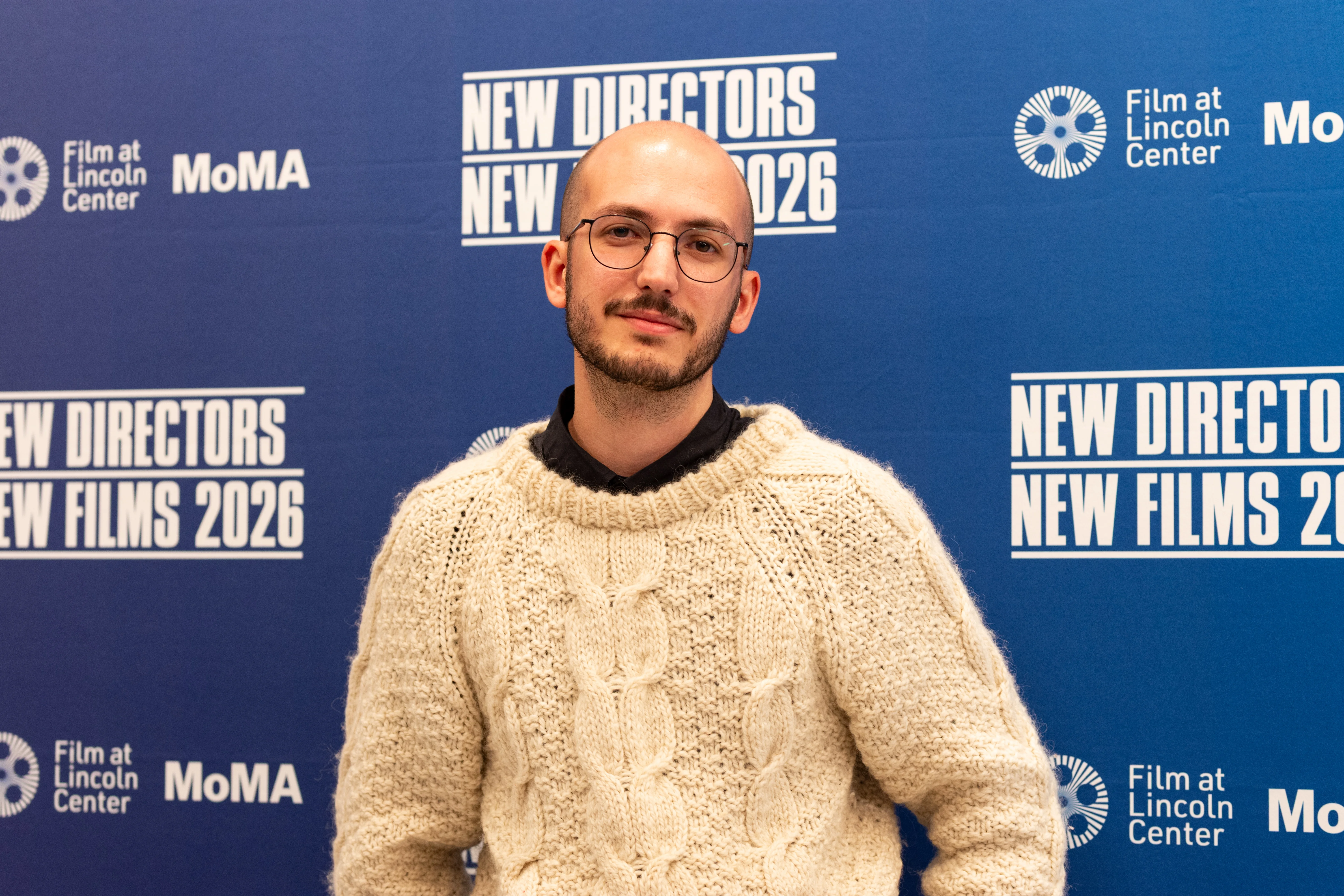
Image from Wikipedia
Image from Wikipedia
Jaume Claret Muxart: The Catalan Filmmaker Navigating Memory, Visual Poetry, and Major Festival Stages
A young auteur filmmaker with a keen eye for emotion, family, and what resonates in the image
Jaume Claret Muxart, born on May 13, 1998, in Sant Cugat del Vallès, is part of a generation of European filmmakers who develop their unique style early, consciously, and with remarkable formal clarity. Even his debut journey shows an artist who does not rely on quick effects but rather on condensation, observation, and an intimate visual language. In his case, a strong personal imprint combines with a clear cinematic attitude: cinema appears to him as a space for memory, possibility, and poetic transformation. ([audiovisualfromspain.com](https://www.audiovisualfromspain.com/en/audiovisual/talent/detalle-contacto.jaume-claret.cont202306?utm_source=openai))
Biographical Roots and Artistic Influence
Claret Muxart grew up in Catalonia and found his way to filmmaking early, closely linked to education, aesthetic curiosity, and an interdisciplinary artistic milieu. According to an interview, he was shaped in an environment of painting, poetry, and architecture; moreover, a portrait indicates that he comes from a family with strong cultural and creative ties. This background explains why his work does not seem like a mere narrative sketch, but rather like a carefully composed perception of spaces, bodies, and relationships. ([ub.edu](https://www.ub.edu/revistaangle/2026/04/01/el-impulso-que-viene-de-dentro-una-entrevista-a-jaume-claret-muxart/))
His education at the Elías Querejeta Zine Eskola further sharpened this profile. The cinematic practice there, which emphasizes authorship, research, and formal precision, is clearly reflected in his career. The fact that his films were presented at festivals such as San Sebastián and IFFR at early stages demonstrates the early international relevance of his perspective. ([audiovisualfromspain.com](https://www.audiovisualfromspain.com/en/audiovisual/talent/detalle-contacto.jaume-claret.cont202306))
The Breakthrough with Short Film, Festival Presence, and Transition to Feature Film
The first notable public step in his career was the short film Ella i jo, released in 2020, which was showcased at international festivals. This visibility is more than a biographical milestone: it marks the beginning of a career where aesthetics and thematic choices support each other from the outset. Claret Muxart moves confidently between personal experience, formal reduction, and a poetic narrative style that resists loud expressions. ([audiovisualfromspain.com](https://www.audiovisualfromspain.com/en/audiovisual/talent/detalle-contacto.jaume-claret.cont202306))
His first feature film Estrany Riu or Strange River was developed over several years. In an interview, he stated that he began working on it at the age of 19, and the screenplay matured over a long period before financing was secured. This patience is part of his artistic identity: the film emerged not from industrial routine, but from a deliberately crafted development process aiming at substantive and formal maturity. ([ub.edu](https://www.ub.edu/revistaangle/2026/04/01/el-impulso-que-viene-de-dentro-una-entrevista-a-jaume-claret-muxart/))
Strange River: A Debut that Impresses at Major Festivals
Strange River was realized as a Spanish-German feature film and was directed and co-written by Jaume Claret Muxart; Filmportal additionally cites a production involvement for his work Die Donau from 2023. The fact that his debut garnered attention at festival contexts in Venice and Reykjavik underscores the international nature of his work. El País reports two Goya nominations and eight Gaudí mentions for the film, describing it as a work that was successful in Venice and Reykjavik. ([filmportal.de](https://www.filmportal.de/en/person/jaume-claret-muxart_15ecf457f4ae4808bca9994d4053932f))
Notably, there is a tension between family history and an open space of possibilities. In the interview, Claret Muxart emphasizes cinema as an art of projection and imagination; this very attitude shapes the narrative movement of his debut. The film reflects not only on what has happened but also on what could have happened— a central motif that lends his direction a quiet yet lasting intensity. ([ub.edu](https://www.ub.edu/revistaangle/2026/04/01/el-impulso-que-viene-de-dentro-una-entrevista-a-jaume-claret-muxart/))
Style, Visual Language, and Cinematic Handwriting
Claret Muxart's style can be described as intimate, visually concentrated, and strongly atmospheric. His work relies on reduced dialogues, precise observation, and a visual dramaturgy where gestures, landscapes, and familial tensions reflect one another. This handwriting makes him a filmmaker who tells less through plot mechanics and more through emotional textures. ([ub.edu](https://www.ub.edu/revistaangle/2026/04/01/el-impulso-que-viene-de-dentro-una-entrevista-a-jaume-claret-muxart/))
At the same time, his artistic development is closely tied to an understanding of cinema as an exploration of memory. In the interview, he discusses how memory is in constant transformation and that it is this very transformation that fascinates him. In doing so, he positions himself clearly within a tradition of auteur cinema, where form and content are inextricably linked, and where every shot expresses an attitude towards the world. ([ub.edu](https://www.ub.edu/revistaangle/2026/04/01/el-impulso-que-viene-de-dentro-una-entrevista-a-jaume-claret-muxart/))
Education, Collectives, and Professional Integration
Professionally, Claret Muxart is active not only as a director but also embedded in a broader institutional and collective environment. ICEX names him as part of the A Bao A Qu collective, a member of the Studio Arquitectura Filmada, and as a lecturer in the Master's program at the Universitat Politècnica de Catalunya and at the CCCB in Barcelona. These roles showcase an artist who does not work in isolation but connects knowledge, practice, and dissemination. ([audiovisualfromspain.com](https://www.audiovisualfromspain.com/en/audiovisual/talent/detalle-contacto.jaume-claret.cont202306))
This embedding is crucial for his authority. It signals that his work is not only situated within the festival circuit but also in exchange with teaching, collective production, and curatorial thinking. Thus, a profile emerges that extends beyond the individual film and marks a clearly recognizable position within the Spanish-Catalan film scene. ([audiovisualfromspain.com](https://www.audiovisualfromspain.com/en/audiovisual/talent/detalle-contacto.jaume-claret.cont202306))
Critical Reception, Awards, and Cultural Context
The reception of Estrany Riu points to a work that critics and juries take seriously. El País highlights the festival successes and the broad array of awards; other reports mention independent recognition in Venice. Moreover, the inclusion in international festival contexts confirms that Claret Muxart, with his debut, has gained visibility not only locally but across Europe. ([elpais.com](https://elpais.com/cultura/2026-01-23/jaume-claret-muxart-director-novel-nominado-al-goya-que-los-jovenes-no-van-al-cine-si-llenan-la-filmoteca.html))
His cinema aligns with a younger current of European auteur film that connects psychological nuance, formal discipline, and poetic openness. Precisely because his films avoid clichéd statements, they unfold a cultural resonance. This makes him appealing to an audience seeking not just plots in cinema but perception, atmosphere, and intellectual depth. ([ub.edu](https://www.ub.edu/revistaangle/2026/04/01/el-impulso-que-viene-de-dentro-una-entrevista-a-jaume-claret-muxart/))
Current Projects and Present
Among his current projects is the public reception of Strange River, which has established itself as a feature film within the international film world and was widely discussed in 2025/2026. The interview and press landscape indicate a director already transitioning from debut to the next chapter. His next steps will likely build on where his previous work is strongest: in the connection of personal memory, precise staging, and open, sensuous visual poetics. ([ub.edu](https://www.ub.edu/revistaangle/2026/04/01/el-impulso-que-viene-de-dentro-una-entrevista-a-jaume-claret-muxart/))
Conclusion: A Filmmaker Who Shapes Cinema from Memory
Jaume Claret Muxart is fascinating because he does not understand cinema as a mere narrative machine, but as a space for reflection, remembrance, and transformation. His handwriting is young yet remarkably coherent: visually aware, emotionally precise, and culturally reflective. Anyone who appreciates auteur cinema with a sense for atmosphere, intimacy, and formal elegance should definitely keep an eye on this name. ([ub.edu](https://www.ub.edu/revistaangle/2026/04/01/el-impulso-que-viene-de-dentro-una-entrevista-a-jaume-claret-muxart/))
It is precisely his ability to shape universal images from personal motives that constitutes his appeal. Jaume Claret Muxart represents a cinema that takes its time, seeks depth, and unfolds its effect long after the credits roll. Those who experience his works at festivals or in cinema encounter a young director with an already unmistakable voice. ([ub.edu](https://www.ub.edu/revistaangle/2026/04/01/el-impulso-que-viene-de-dentro-una-entrevista-a-jaume-claret-muxart/))
Official Channels of Jaume Claret Muxart:
- Instagram: No official profile found
- Facebook: No official profile found
- YouTube: No official profile found
- Spotify: No official profile found
- TikTok: No official profile found
Sources:
- Jaume Muxart | Selected Works - official website
- Revista Angle (Universitat de Barcelona) - Interview with Jaume Claret Muxart, April 1, 2026
- EL PAÍS - Jaume Claret Muxart, debut director nominated for a Goya, January 23, 2026
- ICEX Audiovisual from Spain - Jaume Claret, Bio
- Filmportal.de - Jaume Claret Muxart
- Wikipedia - Jaume Claret Muxart