
Hajo Schumacher
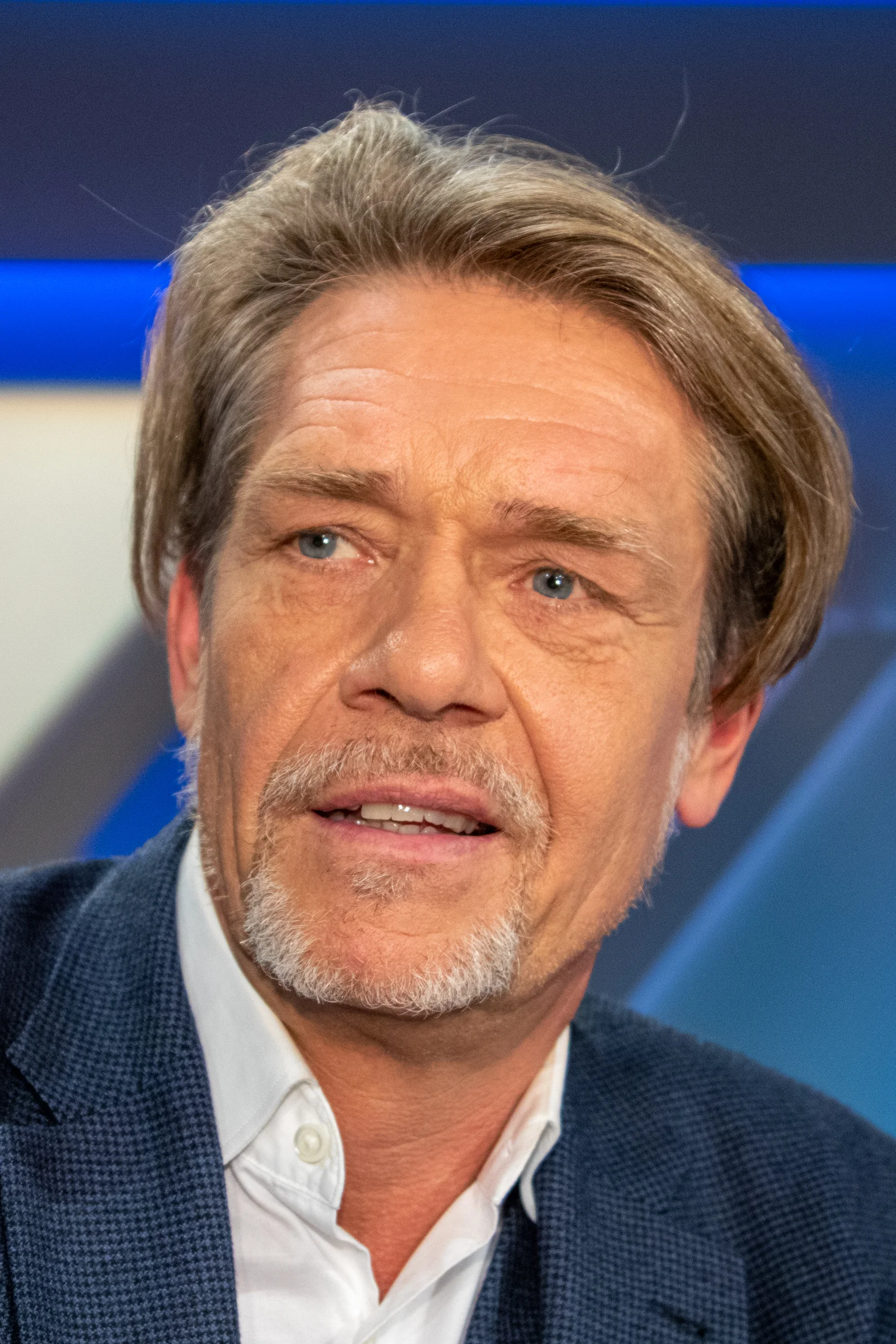
Image from Wikipedia
Image from Wikipedia
Hajo Schumacher: The Sharp-Witted Journalist, Author, and Chronicler of Contemporary Politics
A Distinctive Voice Between Politics, Columns, and Podcasts
Hajo Schumacher, born on April 22, 1964, in Münster, is one of the most prominent German journalists and authors of his generation. He gained recognition through his work for major media outlets, through incisive columns, and through a journalistic oeuvre that sharpens the connection between politics, society, daily life, and self-observation. Under the pseudonym Achim Achilles, he also shaped the sports and running culture in the German-speaking feuilleton for many years. ([de.wikipedia.org](https://de.wikipedia.org/wiki/Hajo_Schumacher))
Early Years, Education, and Journalistic Formation
Schumacher's professional path began early and consistently. According to his official website, he worked as a fixed freelancer for the Münstersche Zeitung in the sports section starting in 1979, later moved to the Süddeutsche Zeitung, and completed a traineeship at the Deutsche Journalistenschule München. He also studied Diplom Journalism, Political Science, Sociology, and Psychology at Ludwig Maximilians University Munich, culminating in a doctorate under Karl-Rudolf Korte in 2006. This combination of research, political analysis, and societal observation shapes his entire artistic development as an author and media creator. ([hajoschumacher.de](https://hajoschumacher.de/))
His professional profile is particularly remarkable in the editorial core: From 1990 to 2000, Schumacher worked at Der Spiegel in the sports, foreign, and domestic sections, ultimately as the head of the Berlin office. This was followed by his role as editor-in-chief of the magazine Max in Hamburg from 2000 to 2002. These stages explain why his texts often combine a dense news perspective with narrative highlighting, presenting political processes not as dry facts but as vivid conflicts. ([hajoschumacher.de](https://hajoschumacher.de/))
The Breakthrough as Commentator, Columnist, and Author
Schumacher did not succeed through a single media format but through versatility. On his official website, he describes himself as a columnist, podcaster, coach, moderator, keynote speaker, and interviewer; he also points to experiences in local newspapers, television, Olympic coverage, news magazines, blogs, and numerous live formats. Since October 2019, he has been writing a weekly column for the Berliner Morgenpost and has been a regular guest on the podcast Apokalypse & Filterkaffee since 2020. His journalistic authority stems from presence, routine, and a clearly recognizable voice. ([hajoschumacher.de](https://hajoschumacher.de/))
His journalistic breakthrough is closely tied to the pseudonym Achim Achilles, under which Schumacher began writing columns about runners, walkers, and the everyday life of hobby athletes in 2004. These texts were partially published as books and made him known to a broad audience as a humorous yet precise observer of the running and leisure scene. In 2019, he officially retired the alter ego, but the Achilles brand remains a cultural reference point. ([de.wikipedia.org](https://de.wikipedia.org/wiki/Hajo_Schumacher))
Awards, Critique, and Public Relevance
Schumacher's work is also firmly established in the professional environment. In 2013, he received the German Reporter Prize for the Best Interview of the Year alongside Benjamin von Stuckrad-Barre. Additionally, he has been a member of the juries for significant media awards such as the LeadAward, Reemtsma Liberty Award, and Politikaward, and he also appears as a moderator for award ceremonies, galas, and conferences. These positions show that Schumacher not only writes but also shapes the media public as a mediator, conversation leader, and interpreter. ([de.wikipedia.org](https://de.wikipedia.org/wiki/Hajo_Schumacher))
The critical reception of his work is closely linked to his style: direct, argumentative, occasionally provocative, and often pointed. In his journalistic role, for example, he defended Silvana Koch-Mehrin against plagiarism allegations in 2011, emphasizing questions of journalistic standards. Such debates have sharpened his profile as a strong-willed publicist and earned him a reputation as an author who does not shy away from friction. ([de.wikipedia.org](https://de.wikipedia.org/wiki/Hajo_Schumacher))
Profile of Works and Major Publications
Schumacher's bibliography is broad and encompasses politics, society, family, masculinity, and self-reflection. His well-known books include among others Roland Koch. Revered and Resented, Kopf hoch, Deutschland, The Twelve Laws of Power, Remaining Runtime, As Long as You Keep Your Feet on My Table…, Men’s Split and No Net! The co-authored books created with politicians Klaus Wowereit and Malu Dreyer also reflect his closeness to narrative political non-fiction. ([de.wikipedia.org](https://de.wikipedia.org/wiki/Hajo_Schumacher))
Under the pseudonym Achim Achilles, he additionally created a unique literary cosmos with titles like Achilles’ Verses, Achilles’ Running Guide, The Walker-Hater Manifesto, The Marathon Therapy, and Tendons Don’t Lie. These books combine sports journalism, self-irony, and everyday philosophy, marking an unusual intersection of pop culture, movement, and non-fiction. In the German-speaking media landscape, this constitutes a clear signature: pointed, approachable, and simultaneously analytical. ([de.wikipedia.org](https://de.wikipedia.org/wiki/Hajo_Schumacher))
Current Projects, Podcasts, and Ongoing Presence
Even in the 2020s, Schumacher remained journalistically present and productive. On his website, he mentions the MutMachPodcast with Suse and Paul Schumacher, which has been running since 2020, the crime author duo "Achilles" with Michel Meisheit established in 2023, as well as the podcast Elephant Round that started in 2025 with Frank Stauss. This is supplemented by regular columns, moderation, and lectures, making his work a constant media presence. ([hajoschumacher.de](https://hajoschumacher.de/))
The official website also suggests that Schumacher continues to place strong emphasis on live communication. He describes his stage as a space for energy exchange with the audience and emphasizes that lectures are tailored individually. This expands his profile as an author with a performative component: he does not only write about politics and society, but also explains them in direct contact with listeners, viewers, and organizers. ([hajoschumacher.de](https://hajoschumacher.de/))
Style, Attitude, and Cultural Influence
Schumacher's style combines journalistic precision with narrative elasticity. His texts resonate because they translate political complexity into clear language without losing subtleties. His cultural value lies precisely in this: he bridges news logic, non-fiction, and columns, as well as analysis and personal stance. This mix has made him a salient voice in the German media landscape. ([hajoschumacher.de](https://hajoschumacher.de/))
Furthermore, he plays the role of a public conversational partner. On his website, he is described as an "excellent political explainer," among others by Markus Lanz, and is recognized as a prominent guest in talk and podcast formats. Such feedback is not mere PR rhetoric; it reflects the perception of an author who not only describes political topics but also transforms them into an accessible, discussion-ready format. ([hajoschumacher.de](https://hajoschumacher.de/))
Official Channels of Hajo Schumacher:
- Instagram: https://www.instagram.com/hajoschumacher
- Facebook: https://www.facebook.com/hajo.schumacher
- YouTube: No official profile found
- Spotify: No official profile found
- TikTok: No official profile found
- Twitter/X: https://twitter.com/hajoschumacher
- LinkedIn: https://www.linkedin.com/in/dr-hajo-schumacher-199b011b1/
Conclusion: Why Hajo Schumacher Remains Fascinating to This Day
Hajo Schumacher is fascinating because he combines journalistic authority with narrative temperament. His career spans from daily newspapers to Der Spiegel, podcasts, columns, live stages, and book projects. Those who read his texts or listen to his discussions encounter an author who does not merely administer politics but tells it in a comprehensible, conflict-laden, and human way. ([hajoschumacher.de](https://hajoschumacher.de/))
It is precisely this mix of analysis, stance, and public presence that makes him an unmistakable figure in German media culture. His work remains relevant because it does not rely on trendy formulas but on observation, language, and experience. Those who experience Hajo Schumacher live meet a precise thinker with a commanding stage presence who translates complex realities into clever, entertaining language. ([hajoschumacher.de](https://hajoschumacher.de/))
Sources:
Upcoming Events
Karaoke with Hajo - Biergarten Mühlenweide Vol. 3/2026
Karaoke with Hajo - Beer Garden Mühlenweide Vol. 4/2026
Karaoke FINALE with Hajo - Biergarten Mühlenweide