Experience Animals Live: Petting Zoo & Farm near Duisburg
Experience Animals Live: Farms & Petting Zoos near Duisburg (for Your Next Outings)
This guide helps you plan upcoming family outings around Duisburg: where animal encounters are possible, how to book group offers, and what to watch out for regarding feeding, hygiene, and animal welfare.
Why Planning is Worthwhile
If you are planning an outing with children, daycare, school class, or friends in the next few weeks or months, you will find several destinations around Duisburg that combine animal observation with learning, play, and time in nature. To ensure the visit is relaxed and animal-friendly, it is worth checking the current regulations of each facility in advance (admission, feeding, program bookings, weather-dependent offers).
- Animal contact: Often only in designated areas and according to local rules.
- Feeding: In many facilities, only animal feed offered on site is allowed.
- Groups: Programs for daycares/schools are usually subject to scheduling and capacity limits.
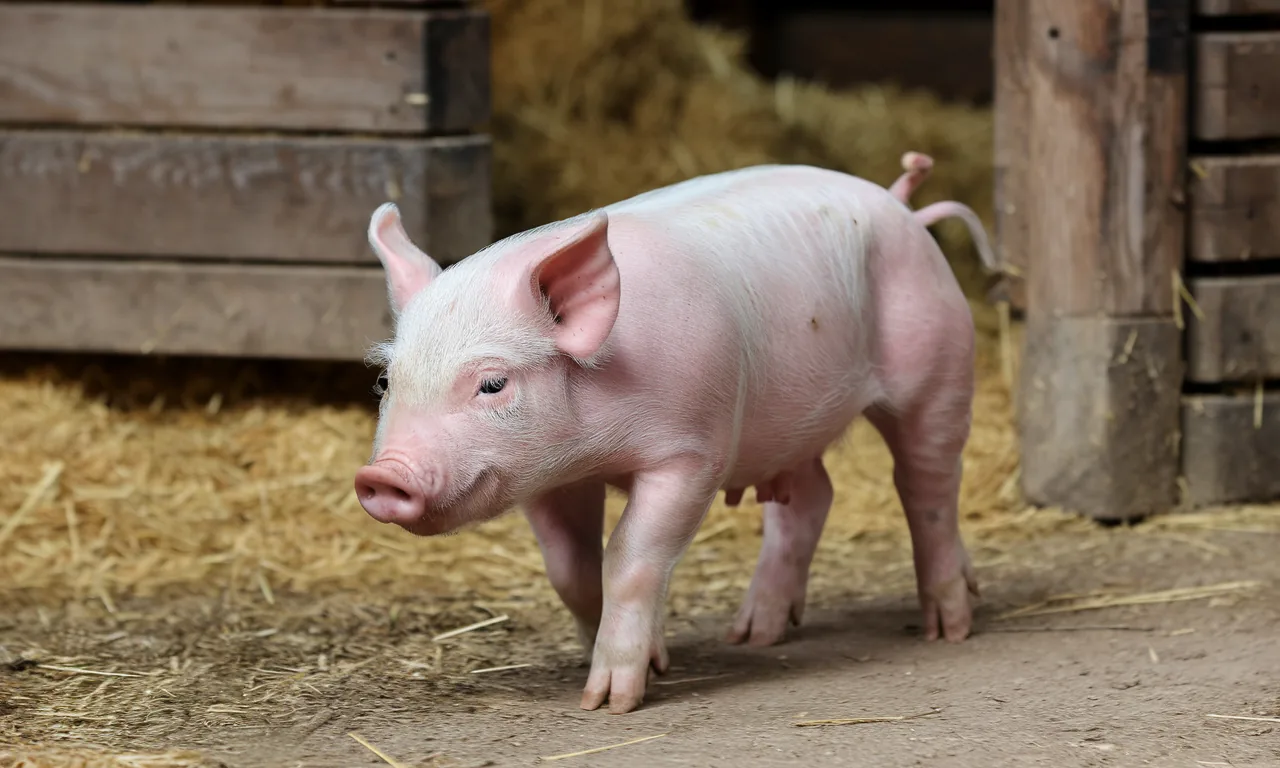
Educational Farm in Landschaftspark Duisburg-Nord: Farm Life as Environmental Education
If you are planning a future date at Landschaftspark Duisburg-Nord, an educational farm there can be an exciting addition: less "show," more guided environmental education about farm animals, stable work, and responsible interaction. Such learning locations are often aimed especially at daycares, schools, and educational groups, but depending on the concept, they can also be interesting for families.
What Experiences You Can Plan for Your Visit
- Observation instead of "entertainment": Children can perceive animal behavior more calmly and learn rules for interaction.
- Programs with participation: In booked formats, activities such as feeding or stable work may be included (under guidance).
- Group booking: For school classes/daycares, an early inquiry is usually advisable, especially for preferred dates.
Practical Tips for Your Next Planning
- Times & Accessibility: Check in advance whether there are public visiting hours, programs requiring booking, or seasonal changes.
- Appropriate clothing: If a program includes stable or outdoor work, sturdy shoes and clothes that can get dirty are recommended.
- Hygiene: Plan for hand washing after animal contact; with younger children, supervision is helpful.
Adventure Zoo (Gelsenkirchen): Theme Worlds, Animal Talks, and Farm Area
If you want to combine animal observation, play opportunities, and knowledge transfer for an upcoming outing, a large adventure zoo in the region is a plannable option. In addition to animal enclosures, many zoos offer scheduled animal talks or commented feedings and have areas where "farm animals" can be observed in a child-friendly way.
How to Get More Out of Your Next Visit
- Plan program times: Coordinate your arrival and route so you can attend an animal talk or feeding.
- Petting only where allowed: Follow signage and staff instructions.
- Feeding only with approved feed: If feed is offered, it is usually tailored to the animals; you should not feed your own food.
Tips for Groups & Repeat Visits
- Group offers: Many zoos offer bookable tours or educational programs; the earlier you inquire, the better your chances for suitable dates.
- Tickets: Check before your visit whether there are day tickets, family offers, or annual passes and what conditions apply.
Wildlife Park (Reken): Day Trip with Nature, Play, and Animal Encounters
If you are planning a full-day trip into the countryside, a wildlife park in the wider area can be a good choice: longer paths, more movement, and often a mix of wild and domestic animal areas. For children, the combination of animal observation and play areas can make the day especially varied.
Picnic & Catering: What You Should Clarify in Advance
- Brought food: Many parks allow picnics; check the rules on the official website (e.g., regarding waste, glass, designated areas).
- Barbecuing/BBQ areas: If barbecue facilities are offered, they are often tied to reservations or specific zones. Check this before your arrival.
- Animal feed: If feed is sold, it is advisable for animal health to use only this.
Seasonal Program Points: Get Information in Time
Some wildlife parks plan time-limited shows or demonstration feedings for the season (e.g., birds of prey formats). To avoid planning "off schedule," it is worth checking the facility's event calendar shortly before your visit.
Zoo Duisburg: City-Adjacent Option for the Next Family or Class Outing
For a future, easily accessible outing within the city, a classic zoo can be a reliable option: plannable infrastructure, more weather-independent visiting windows, and often a wide range of educational offerings. If your focus is on intensive petting contact, you should specifically look for farm or petting areas; if you prioritize animal knowledge and biodiversity, a city zoo is often a good fit.
How to Make the Visit (in the Future) Educational and Relaxed
- Route by interests: Choose 3–5 main points in advance instead of trying to do "everything"—this reduces stress, especially with small children.
- Zoo school/workshops: If you come as a group, a booked educational format can structure the outing.
- Plan breaks: Schedule times for eating, toilets, and quiet moments—this improves the experience for children and animals (less hustle and bustle).
Animal Welfare, Safety, and Sustainability: Checklist for Your Upcoming Visits
1) Animal Contact: Calm, Brief, Respectful
For your next animal outing, remember: Not every animal wants to be touched, and not every situation is suitable. If petting is allowed, children should be introduced slowly (calm voice, no sudden movements, respect retreat areas).
2) Feeding: Only According to Facility Rules
Use only approved feed if it is offered. Your own bread, snacks, or kitchen scraps can make animals sick and often lead to a feeding ban in many facilities.
3) Hygiene: Simple but Consistent
- Wash or disinfect hands after animal contact (especially before eating).
- Prevent small children from putting fingers in their mouths until hands have been washed.
- Cover wounds and ensure clean clothing after programs with stable contact.
4) Environment & Consideration: Less Waste, Less Noise
Take your waste with you or use the designated disposal points. Quieter behavior helps not only animals but also other visitors.
Conclusion: Animal Experiences Around Duisburg—Well Planable for the Coming Weeks and Months
For your next outing around Duisburg, educational farms, adventure zoos, wildlife parks, and the city zoo each offer different strengths: environmental education and farm life, great biodiversity with program points, nature-focused day trips, or a city-adjacent "quick getaway" option. If you check opening times, program bookings, and feeding rules in advance, the visit will be better for family, group, and animals alike.